
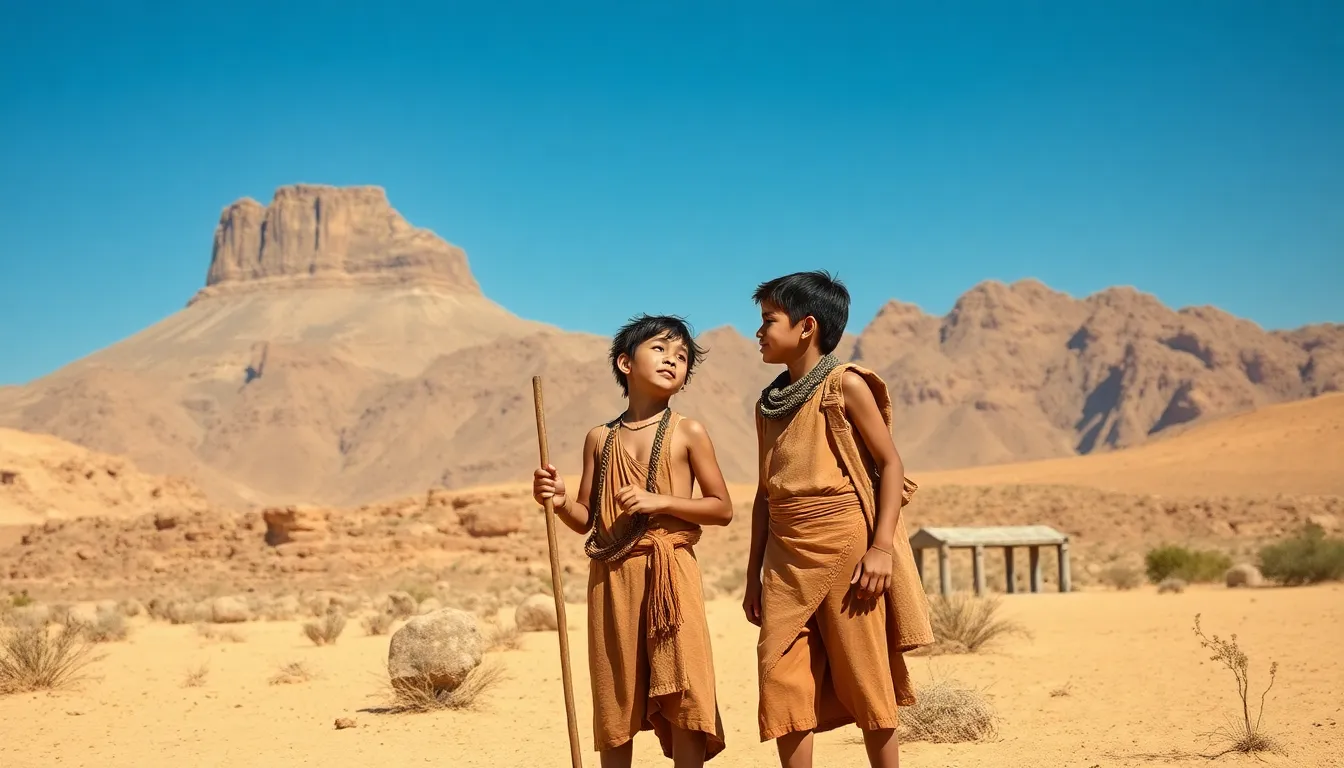
When it comes to biblical figures, few spark curiosity like Moses. He led his people out of Egypt, parted the Red Sea, and received the Ten Commandments. But amidst all those epic adventures, one question often gets overlooked: how many kids did this legendary leader actually have?
Overview of Moses in the Bible
Moses serves as a central character in the Bible, holding significant importance in biblical history. Known for leading the Israelites from slavery in Egypt, he also played a key role in establishing their covenant with God. His narrative includes notable events such as the parting of the Red Sea, where he demonstrated undeniable faith and obedience.
His upbringing features a dramatic story. Adopted by Pharaoh’s daughter, Moses grew up in the Egyptian palace but later fled to Midian after committing murder. During his time in Midian, he encountered God in the form of a burning bush, which marked the beginning of his divine mission to liberate the Israelites.
Moses received the Ten Commandments on Mount Sinai, revealing God’s laws to the people. He faced numerous challenges, including disbelief and rebellion among his followers. Despite these obstacles, Moses remained a steadfast leader, guiding the Israelites through 40 years in the wilderness.
The topic of Moses’ family includes his two sons, Gershom and Eliezer. Gershom, born during Moses’ time in Midian, means “a stranger there” reflecting his father’s experiences. Eliezer, whose name means “God is my help,” was born later, symbolizing God’s protection and support throughout Moses’ journey.
Moses’ legacy encompasses not only his leadership but also his role as a prophet and lawgiver. His influence extends through Jewish, Christian, and Islamic traditions, where he symbolizes faith and perseverance. Overall, Moses stands as a pivotal figure whose life story continues to inspire countless people.
The Family of Moses

Moses had two sons who played a significant role in his story. Their lives reflect both his experiences and God’s continual guidance during his journey.
Children of Moses
Moses’ children were Gershom and Eliezer. Each child’s name carries profound meaning, illustrating key aspects of Moses’ life. Gershom was born during his time in Midian, representing Moses’ status as a stranger. Eliezer followed, symbolizing the divine assistance Moses received in his endeavors. Significant events in their father’s life shaped their identities as Israelites traversed the wilderness.
Names of Moses’ Children
Gershom, meaning “I have been a stranger,” signifies Moses’ feelings of alienation after fleeing Egypt. Eliezer translates to “God is my help,” showcasing the crucial support Moses relied upon throughout his leadership. Both names reflect Moses’ experiences, linking his personal struggles and God’s involvement in his journey. Their names encapsulate key themes from Moses’ mission, emphasizing the connection between family and faith in biblical narratives.
Significance of Moses’ Children
Moses’ children hold a significant place in biblical history. Gershom and Eliezer, the names of his sons, convey deeper meanings that reflect Moses’ journey. Gershom translates to “I have been a stranger,” highlighting his feelings of dislocation after leaving Egypt. Eliezer means “God is my help,” indicating the divine support Moses experienced throughout his trials.
These individuals symbolize more than just family; they embody the experiences and challenges faced by their father. Their upbringing in the wilderness during the Israelites’ exodus speaks to resilience and faith. Religious traditions emphasize the impact of Moses’ parenting on future generations.
Both sons represent the ongoing covenant between God and Moses. The names serve as reminders of divine presence during critical moments. Mentions of Gershom and Eliezer in later texts demonstrate their roles in shaping the Israelite community.
Historical perspectives often analyze the significance of family ties within leadership. Moses’ relationship with his children reflects the broader themes of guidance and responsibility. As part of his legacy, Moses entrusted them with principles of faith. The lessons learned from his experiences influenced not just his sons but also the nation of Israel.
Moses’ children serve as a connection between his personal narrative and the collective journey of the Israelites. Their stories enrich the understanding of Moses as a leader and father. Acknowledging the significance of Gershom and Eliezer enhances the portrayal of Moses’ multifaceted role in biblical history.
Cultural Interpretations
Cultural interpretations of Moses’ family, particularly his sons Gershom and Eliezer, reveal various perspectives within different religious traditions. Their names reflect significant themes in the biblical narrative, highlighting the importance of identity and divine intervention.
Gershom represents feelings of estrangement with his name meaning “I have been a stranger.” This association resonates deeply within the context of the Israelites’ journey from slavery to freedom. Eliezer’s name translates to “God is my help,” emphasizing the reliance on divine support throughout Moses’ mission.
In Jewish tradition, their significance expands beyond mere lineage. Both sons personify aspects of leadership and faith, illustrating how familial relationships impact spiritual journeys. Christian interpretations often underscore the parental responsibility Moses had toward his sons, linking their upbringing with the broader narrative of faith and perseverance.
Islamic texts also recognize Moses’ children, framing them within the context of divine guidance. The portrayal of Gershom and Eliezer serves to enhance the understanding of Moses as a compassionate leader, reinforcing the bonds that tie families to their spiritual legacies.
Cultural representations throughout history reveal varying views of Moses’ role as a father. Stories often highlight the interplay between faith and family, suggesting that parenting during trials shapes future generations. This dynamic fosters resilience within the community, underscoring how Moses’ experiences and relationships resonate through time.
Scholars consistently analyze how family dynamics contribute to interpretations of leadership in biblical history. Research indicates that the legacies of Gershom and Eliezer carry implications for understanding the complexities of divine-human relationships and the responsibilities of leaders in faith-based communities.
Moses’ legacy extends beyond his monumental achievements; it also encompasses his role as a father. Gershom and Eliezer not only represent his lineage but also embody the trials and divine support that shaped their father’s journey. Their names reflect significant themes within the biblical narrative, emphasizing the importance of faith and resilience.
As Moses navigated the challenges of leadership, his relationship with his children highlights the intersection of family and faith. The influence of Gershom and Eliezer resonates through religious traditions, illustrating how parenting can impact future generations. Ultimately, Moses stands as a figure whose life story continues to inspire and teach valuable lessons about leadership, faith, and the enduring bond of family.