
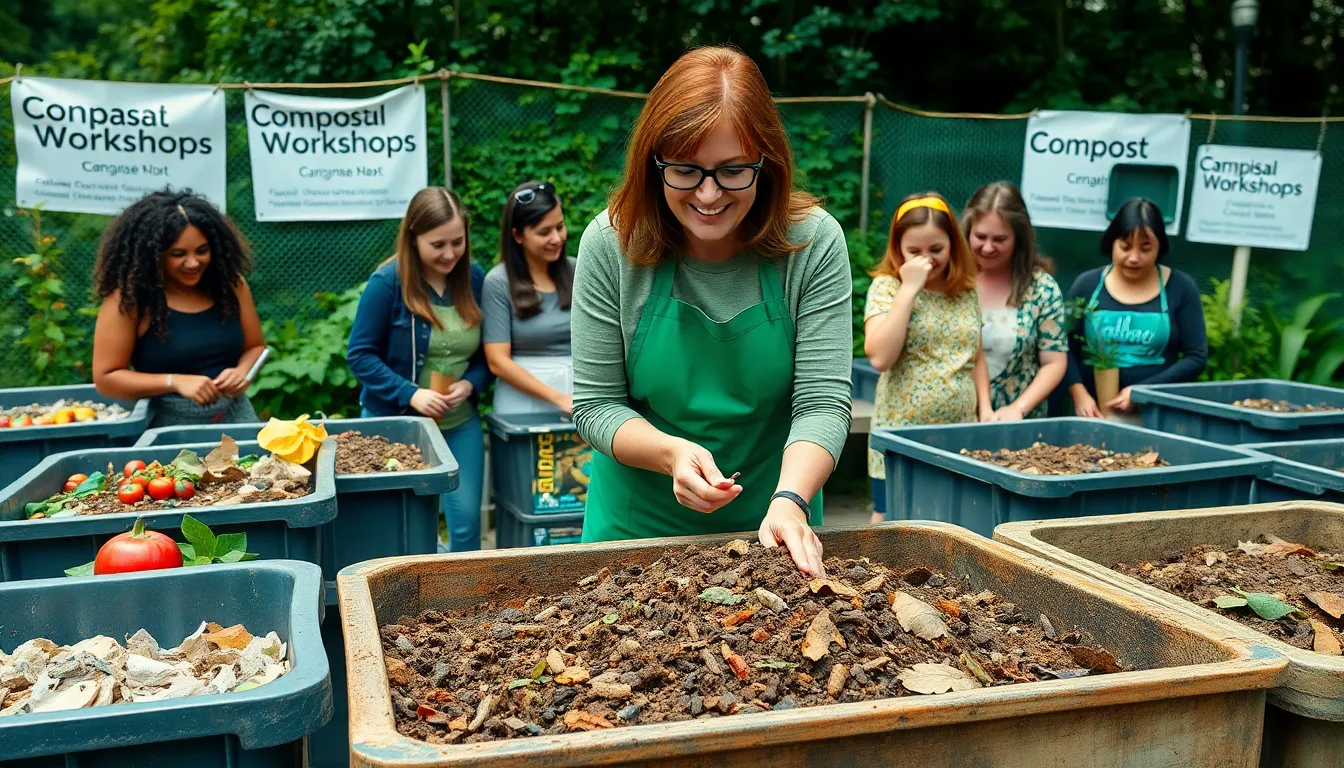
In an age where sustainability is more crucial than ever, community composting hubs are emerging as vital solutions for reducing waste and enriching local soil. These grassroots initiatives empower residents to transform organic waste into nutrient-rich compost, fostering a sense of community while promoting environmental stewardship.
By establishing accessible composting sites, neighborhoods can collectively tackle the challenges of food waste and landfill overflow. Not only do these hubs provide a practical way to recycle organic materials, but they also serve as educational platforms, raising awareness about the benefits of composting and sustainable practices. As more communities embrace this eco-friendly approach, the potential for positive environmental impact grows exponentially.
Overview of Community Composting Hubs
Community composting hubs serve as localized solutions for organic waste management. They provide residents with facilities to transform food scraps, yard waste, and other biodegradable materials into compost. These hubs play a significant role in reducing landfill contributions, lowering greenhouse gas emissions, and enriching soil health.
Key benefits of community composting hubs include:
- Environmental Impact: Reducing methane emissions from landfills by diverting food waste to composting.
- Soil Enrichment: Producing nutrient-rich compost that enhances soil structure and fertility.
- Community Engagement: Fostering connections among residents and increasing local participation in sustainability initiatives.
- Education and Awareness: Serving as platforms for workshops and demonstrations, educating the public about composting practices.
Community composting hubs often rely on volunteers and local partnerships to operate effectively. By collaborating with environmental organizations and local governments, these hubs can expand their reach and impact. As awareness of sustainable practices continues to grow, the demand for community composting hubs is likely to increase, shaping a more eco-friendly future.
Benefits of Community Composting Hubs
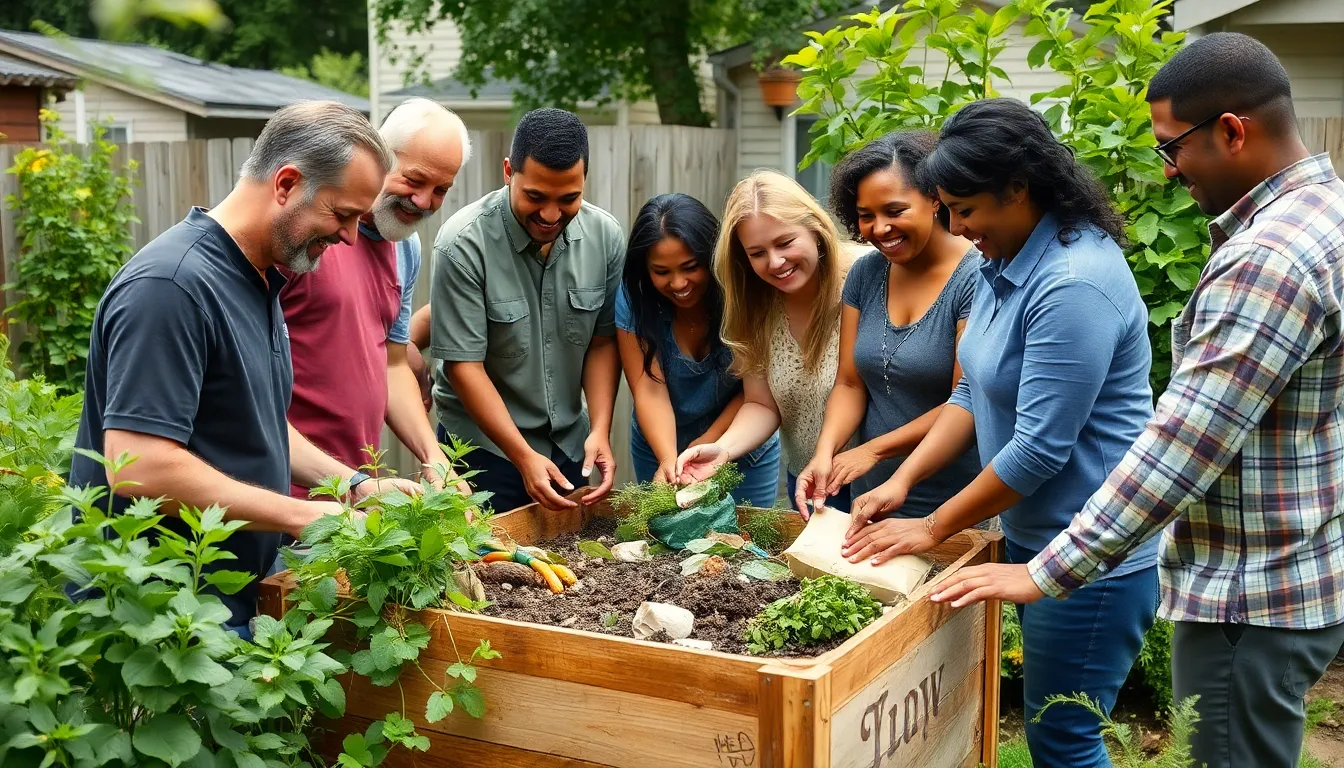
Community composting hubs provide crucial environmental and social benefits. These localized initiatives not only support sustainable waste management but also strengthen community bonds.
Environmental Impact
Community composting hubs significantly reduce greenhouse gas emissions. By diverting organic waste from landfills, they minimize methane production—an impactful greenhouse gas with a 25 times greater warming potential than carbon dioxide over a 100-year period. Hubs enrich soil health by producing nutrient-dense compost that improves soil structure, enhances water retention, and promotes biodiversity. These benefits lead to healthier ecosystems and increased agricultural productivity. According to the Environmental Protection Agency, composting diverts approximately 30% of waste sent to landfills, which exemplifies the potential of these hubs in achieving waste reduction goals.
Social Advantages
Community composting hubs foster social connections among residents. They create opportunities for collaboration, education, and involvement in sustainability efforts. Hubs often host workshops and demonstrations that teach best practices for composting and gardening, empowering community members with valuable skills. They often engage volunteers, strengthening local networks and encouraging civic participation. These connections not only facilitate knowledge sharing but also promote a sense of ownership and pride in the community’s environmental initiatives. Community composting hubs can transform neighborhoods, encouraging a culture of sustainability that benefits all residents.
How Community Composting Hubs Operate
Community composting hubs function as vital systems to efficiently process organic waste. They engage residents in sustainable practices and promote effective waste management.
Key Components
Community composting hubs consist of several essential components:
- Composting Bins: Bins provide the structure for collecting and processing organic materials. They can vary in size and design to accommodate different volumes of waste.
- Organic Materials: Residents contribute food scraps, yard waste, and other biodegradable items. Diversifying materials enhances compost quality.
- Volunteers: Volunteers play critical roles in managing operations. They oversee collection, maintenance, and education efforts.
- Education Stations: Informational displays and workshops teach residents about composting techniques, benefits, and sustainable practices.
- Partnerships: Local organizations and businesses often partner to support hubs. These partnerships can bring resources such as funding, expertise, and materials.
Community Engagement Strategies
- Workshops: Regularly scheduled workshops educate the community about composting methods and environmental impact. These sessions build knowledge and encourage participation.
- Events: Hosting community events raises awareness about composting. Activities may include compost giveaways, clean-up days, and volunteer appreciation events.
- Social Media: Utilizing social media platforms helps spread information and updates. Engaging content increases visibility and fosters community interaction.
- Resource Distribution: Providing resources, like composting guides and toolkits, simplifies the process for community members. Accessibility enhances participation.
- Feedback Mechanisms: Implementing feedback mechanisms allows residents to share experiences and suggestions. This input helps improve hub operations and community satisfaction.
Challenges Faced by Community Composting Hubs
Community composting hubs encounter several challenges that can impede their effectiveness and growth. Addressing these issues is crucial for the sustainability of these initiatives.
Financial Sustainability
Financial sustainability poses a significant challenge for many community composting hubs. Costs associated with equipment, maintenance, and operational expenses often require substantial funding. Many hubs rely on grants, donations, and community fundraising to cover these costs. Inconsistent funding can lead to operational interruptions, impacting the hub’s ability to maintain composting activities. Securing ongoing support from local governments or businesses can help mitigate these financial constraints and ensure stable operations.
Educational Barriers
Educational barriers may limit participation in community composting hubs. Many potential users lack basic knowledge about composting techniques, benefits, and practices. Misunderstandings about what materials are compostable can lead to contamination, affecting compost quality. Hubs face the challenge of effectively communicating educational resources and outreach strategies to diverse community members. Offering accessible workshops, clear signage, and easy-to-follow guides can help overcome these barriers, promoting increased engagement and effective composting participation.
Case Studies of Successful Community Composting Hubs
San Francisco Community Composting Program
San Francisco’s Community Composting Program demonstrates effective urban composting. The city established multiple sites to transform food scraps and yard waste into compost, engaging residents actively. In 2021, the program diverted over 70,000 tons of organic waste from landfills, significantly reducing methane emissions. Educational workshops at these sites teach composting techniques and promote sustainable practices, enhancing local environmental awareness.
New York City Compost Project
New York City’s Compost Project exemplifies collaboration among various neighborhoods. This initiative operates more than 20 composting hubs, establishing partnerships with local organizations. In the 2022 cycle, the project processed approximately 10,000 tons of organic material, enriching city soils. Workshops and hands-on experiences empower participants with knowledge, strengthening community involvement and appreciation for green initiatives.
Seattle’s Neighborhood Composting Program
Seattle’s Neighborhood Composting Program highlights grassroots engagement in sustainability. With over 15 active composting sites, the program emphasizes accessibility for residents. In 2020, it diverted around 5,000 tons of organic waste, benefiting local gardens and plant life. Regular community events encourage participation, while volunteers serve as mentors, providing essential guidance on effective composting practices.
Toronto Community Composting Hubs
Toronto features several community composting hubs that foster environmental stewardship. In 2022, the city’s hubs processed approximately 1,200 tons of organic waste, contributing to improved soil health in urban areas. Educational outreach, including school programs and public workshops, plays a crucial role in enhancing awareness and participation. Local partnerships amplify resource sharing and operational support, ensuring long-term sustainability.
Portland Composting Initiative
Portland’s Composting Initiative integrates community engagement with sustainable practices. The initiative operates over 30 composting sites, collecting food scraps from households and restaurants alike. In 2021, it successfully diverted around 14,000 tons of organic waste. Regular workshops, combined with social media outreach, keep residents informed and motivated, ensuring strong participation and support within the community.
Community composting hubs represent a transformative approach to waste management and sustainability. By empowering residents to participate in composting efforts, these initiatives not only reduce organic waste but also strengthen community bonds. The educational components and collaborative spirit of these hubs foster a culture of environmental stewardship.
As more neighborhoods embrace the concept of community composting, the potential for positive environmental impact grows. With continued support and education, these hubs can thrive, ensuring that communities become more sustainable and resilient. The future of waste management lies in local solutions that connect people with their environment, and community composting hubs are leading the way.