

In today’s fast-paced world, the push for sustainability is more important than ever. Environment-friendly offices are not just a trend; they’re a necessity for businesses that want to thrive while minimizing their ecological footprint. By adopting green practices, companies can create healthier workspaces and contribute to a more sustainable future.
These eco-conscious workplaces focus on reducing waste, enhancing energy efficiency, and promoting the use of sustainable materials. From implementing recycling programs to utilizing renewable energy sources, every small change can lead to significant environmental benefits. As organizations increasingly recognize the importance of corporate responsibility, the shift towards greener offices is paving the way for innovative solutions and a brighter tomorrow.
Importance Of Environment-Friendly Offices
Environment-friendly offices play a crucial role in promoting sustainability within businesses. These spaces contribute to reducing carbon footprints and enhancing energy efficiency.
- Health benefits: Eco-friendly offices improve indoor air quality through better ventilation and the use of non-toxic materials. Healthier work environments lead to increased employee productivity and lower absenteeism.
- Cost savings: Utilizing energy-efficient appliances and sustainable practices reduces operational costs. Companies can realign budgets by decreasing energy consumption and minimizing waste.
- Employee satisfaction: A commitment to sustainability fosters a positive workplace culture. Employees are more engaged and loyal when they see their organization prioritizing the environment.
- Brand reputation: Eco-conscious practices enhance brand image and attract environmentally aware consumers. Companies that promote sustainability can differentiate themselves in competitive markets.
- Regulatory compliance: Many regions implement strict environmental regulations. Environment-friendly offices ensure compliance, reducing the risk of fines and legal issues.
- Innovation stimulation: Adopting sustainable practices encourages creativity and innovation. Companies explore new technologies and processes to reduce environmental footprints, enabling them to stay ahead in the industry.
Environment-friendly offices contribute to healthier workplaces, cost reduction, employee satisfaction, enhanced branding, regulatory compliance, and innovative growth.
Key Features Of Environment-Friendly Offices
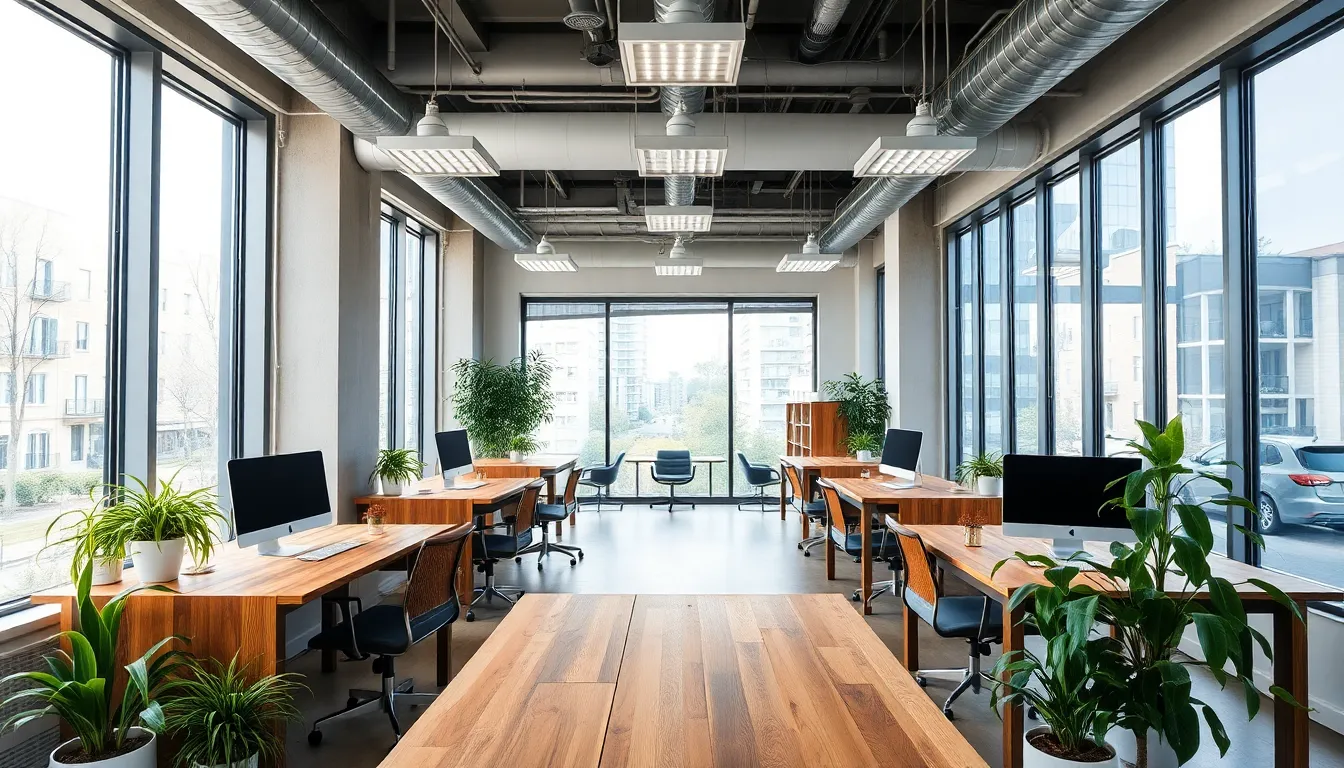
Environment-friendly offices integrate sustainable practices that enhance productivity while minimizing ecological footprints. Key features include the use of sustainable materials, energy efficiency, and improved indoor air quality.
Sustainable Materials
Sustainable materials comprise recycled, reclaimed, or responsibly sourced options. Companies prefer materials like bamboo, reclaimed wood, and recycled metal for furniture and construction. Using low-VOC paints and finishes can reduce harmful emissions. Certified materials, such as those bearing the Forest Stewardship Council (FSC) label, ensure responsible sourcing. Integrating sustainable materials promotes durability and reduces resource depletion.
Energy Efficiency
Energy efficiency focuses on minimizing energy consumption through smart design and technology. Incorporating energy-efficient lighting, like LED fixtures, significantly lowers electricity use. Utilizing programmable thermostats optimizes heating and cooling. Energy Star-certified appliances also contribute to reduced energy consumption. Implementing renewable energy sources, such as solar panels, enhances sustainability while decreasing reliance on nonrenewable resources.
Indoor Air Quality
Indoor air quality supports employee health and productivity. Utilizing air filtration systems removes pollutants, allergens, and particulates. Incorporating plants, like spider plants and peace lilies, naturally improves air quality. Selecting low-emission materials and furnishings helps maintain a healthier indoor environment. Regular ventilation ensures that air exchange removes stale air and maintains freshness, fostering a productive workspace.
Benefits Of Environment-Friendly Offices
Environment-friendly offices present numerous advantages that extend beyond ecological benefits, significantly impacting businesses and their workforce. From financial savings to enhanced employee well-being, these offices play a vital role in cultivating sustainable and productive workplaces.
Cost Savings
Environment-friendly offices reduce operational costs effectively. Companies experience significant savings through energy-efficient appliances and renewable energy sources. For instance, LED lighting uses 75% less energy than traditional bulbs, minimizing electricity bills.
Waste reduction practices, such as recycling and composting, further decrease disposal expenses, with businesses saving hundreds to thousands of dollars annually. Furthermore, strategic investments in sustainable materials, while initially costly, often lead to long-term durability and reduced maintenance costs.
Employee Well-Being
Environment-friendly offices significantly enhance employee well-being. Improved indoor air quality resulting from proper ventilation and the incorporation of plants leads to healthier work environments. Studies indicate that better air quality can reduce sick leave by up to 30%, promoting higher productivity levels.
Natural light, commonly found in eco-friendly designs, boosts mood and enhances focus. Additionally, greener spaces contribute to employee satisfaction and loyalty, fostering a positive workplace culture. Companies embracing sustainability often see reduced absenteeism and improved employee morale, which ultimately benefits overall organizational performance.
Challenges In Implementing Environment-Friendly Offices
Implementing environment-friendly offices presents several challenges that organizations face as they strive for sustainability. These challenges can hinder progress but are crucial to understanding as businesses transition to greener practices.
Initial Costs
Initial costs often pose a significant barrier to establishing environment-friendly offices. Upfront investments in energy-efficient appliances, sustainable materials, and green technologies can be higher compared to traditional options. For instance, the upfront cost of solar panels or efficient HVAC systems can reach thousands of dollars, deterring some businesses from pursuing these options. While long-term savings on energy bills can offset these costs, the immediate financial burden remains a challenge.
Staff Engagement
Staff engagement plays a critical role in the successful implementation of sustainable practices. Employees may resist changes if they lack awareness or understanding of eco-friendly initiatives. For example, eco-conscious initiatives like recycling programs or energy-saving practices require active participation from staff. Companies must invest in training programs and awareness campaigns to foster a culture of sustainability. Moreover, involving team members in the decision-making process can enhance buy-in and lead to more successful outcomes. Organizations often find that transparent communication and collaborative approaches motivate employees to embrace their roles in promoting a greener workplace.
Embracing environment-friendly offices is more than just a trend; it’s a vital step towards a sustainable future. By adopting green practices, businesses not only enhance their operational efficiency but also foster a healthier workplace culture. The benefits extend beyond cost savings and compliance with regulations, influencing employee satisfaction and brand reputation.
As companies navigate the challenges of implementing sustainable practices, the focus on collaboration and engagement becomes crucial. With the right strategies in place, organizations can transform their workspaces into eco-friendly havens that promote productivity and well-being. Ultimately, the commitment to sustainability is an investment in both the planet and the workforce, paving the way for long-term success.