

Imagine waking up each morning, sipping freshly brewed coffee made from your own beans while your organic veggies sizzle on the stove. Sounds like a dream, right? Enter self sustainable living, where dreams become daily realities. It’s not just a trend: it’s a lifestyle that’s gaining momentum faster than a squirrel chasing its lunch. Not only does it reduce your carbon footprint, but it also allows you to become the master of your own environment. If you’re ready to jump into a life that’s as fulfilling as it is green, buckle up.
Understanding Self Sustainable Living
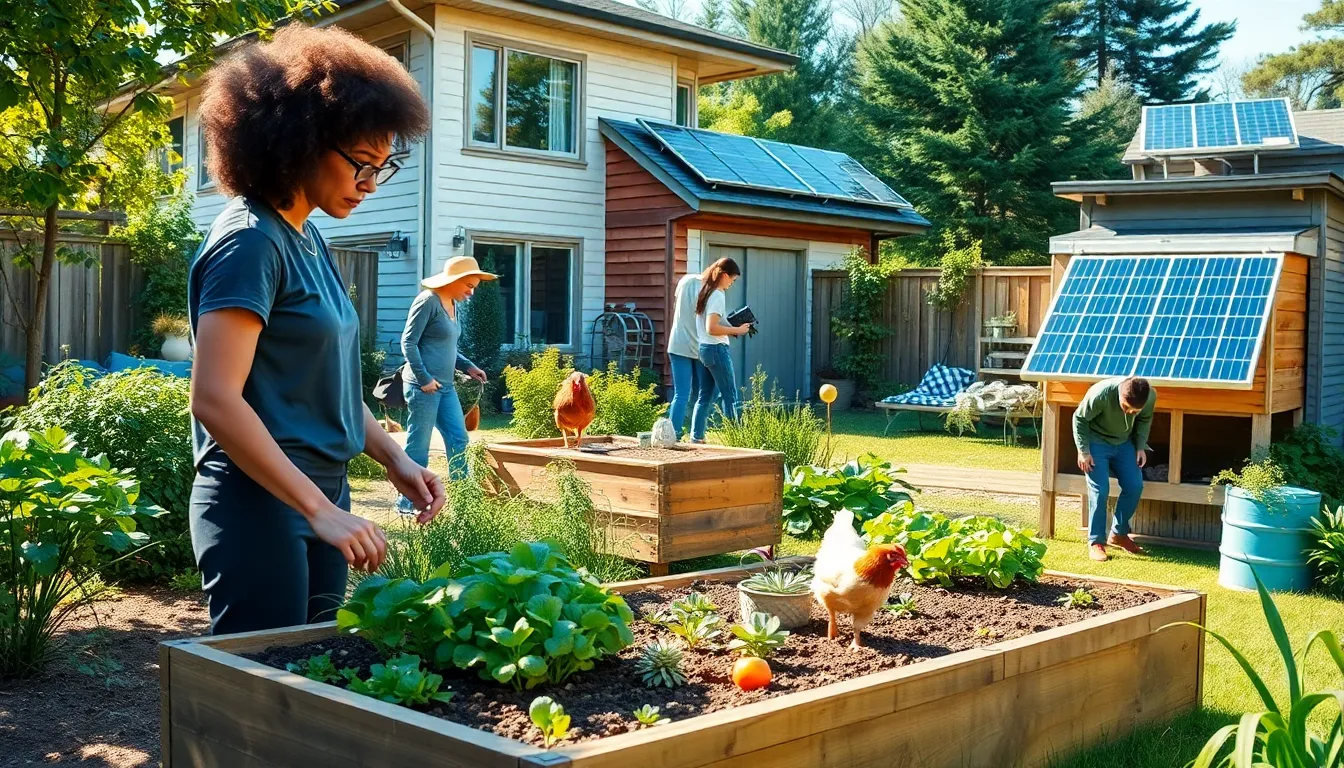
Self sustainable living is the practice of meeting one’s own needs without reliance on external resources. It encompasses everything from growing your own food to generating renewable energy. Imagine a world where you don’t need to depend on local stores for groceries or fuel. By embracing this lifestyle, individuals reduce their dependency on carbon-heavy supply chains and create a harmonious relationship with the environment. In essence, it’s about thriving independently and harmoniously within the planet’s ecosystem.
Benefits of Self Sustainable Living
The benefits of self sustainable living are as varied as a garden full of colorful blooms. First and foremost is the reduced environmental impact. With fewer goods being transported, there’s less pollution. Healthier living comes next: individuals grow organic produce free from harmful pesticides. Financial savings are also significant. Fewer trips to the store lead to less spending on groceries while growing food at home cuts costs dramatically. There’s also an undeniable joy in self-sufficiency, as it fosters a sense of accomplishment and well-being, proving that success can indeed sprout from the ground.
Key Principles of Self Sustainable Living
The key principles of self sustainable living revolve around resourcefulness and resilience. First, focus on energy conservation. Simple switches, like using LED lights and efficient appliances, can transform energy bills. Secondly, prioritize local sourcing, whether it’s food, materials, or even handmade crafts, supporting local economies fosters community bonds. Also, practice waste reduction by composting and recycling. Not only does this reduce waste sent to landfills, but it also enriches the soil for your gardens. Finally, education is crucial: staying informed about sustainable practices and innovations is critical to evolving with the ever-changing environment.
Practical Steps to Achieve Self Sustainability
Taking practical steps toward self sustainability involves actionable items, not just idealistic dreams. Start by establishing a home garden. Even a small windowsill can yield fresh herbs or veggies. Next, consider alternative energy sources such as solar panels. They harness the sun’s energy and provide clean electricity. Rainwater harvesting systems can also support gardens and reduce water bills. Besides, learn basic skills such as canning or fermenting, which not only extends food shelf life but also reduces reliance on store-bought products. Integrating these practices into your daily life makes sustainability an attainable goal.
Common Challenges and Solutions
Every journey has its hurdles, and self sustainable living is no exception. One common challenge is the initial investment: setting up gardens or renewable energy can be pricey. A solution? Start small. A couple of containers for herbs helps ease into gardening. Another challenge is knowledge, many people feel overwhelmed by the sheer amount of information available. To tackle this, joining local sustainability groups or online communities can foster support and provide valuable insights. Time management also poses a barrier: balancing work, family, and sustainable practices is tricky. Creating a dedicated schedule allows individuals to allocate time specifically for gardening or cooking.
Future Trends in Self Sustainable Living
Looking into the future, self sustainable living is set to evolve dramatically. Vertical farming, for instance, is becoming commonplace in urban settings, allowing space-constrained individuals to grow fresh produce indoors. Technology will also play a critical role: smart homes equipped with eco-friendly resources will streamline self-sustainability. With the rise of community-supported agriculture, individuals will collaborate to share resources, reducing overall costs and enhancing food security within neighborhoods. As society shifts towards sustainability, innovative practices will be necessary, and embracing them now paves the way for a greener tomorrow.