
In a world where sustainability often feels like a buzzword thrown around at parties, the Unilever Sustainable Living Plan stands out like the designated driver at the bar. Unilever isn’t just talking the talk: they’re walking the walk, strutting down the runway of sustainability while wearing eco-friendly shoes. This comprehensive plan aims to make a real difference in the environment and society by 2030. But what does this mean for consumers, retailers, and the planet? Let’s jump into the nitty-gritty of Unilever’s ambitious roadmap.
Overview of Unilever Sustainable Living Plan
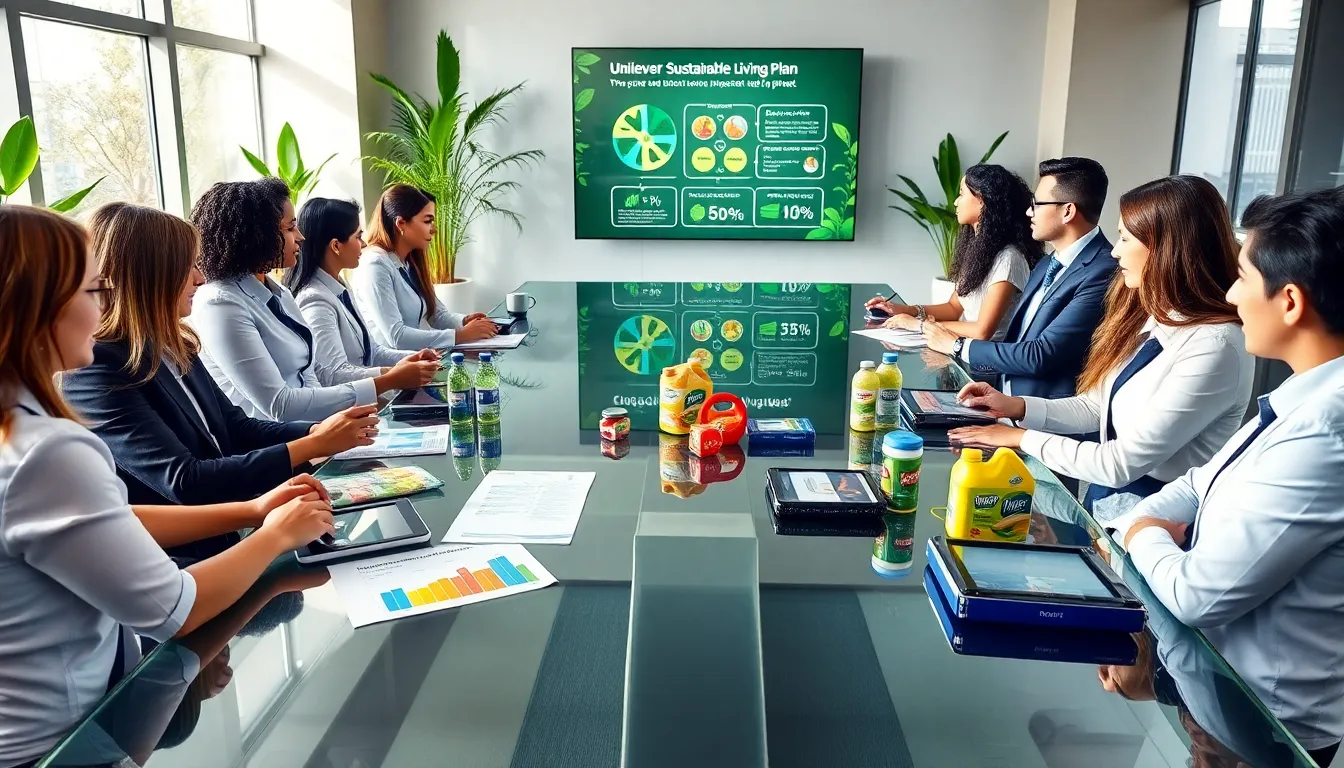
The Unilever Sustainable Living Plan (USLP) was launched in 2010, serving as a guiding star for the company in its quest to reduce its environmental footprint while increasing its positive societal impact. At its core, the plan addresses three overarching goals: to improve health and well-being for more than a billion people, to reduce environmental impact, and to enhance livelihoods across its value chain. With brands like Dove, Knorr, and Hellmann’s under its belt, Unilever is striving to create a future where growth doesn’t come at the cost of the planet.
By integrating sustainability into its business model, Unilever aims not only to minimize harm but also to actively foster positive change. This initiative encapsulates everything from sourcing materials responsibly to advocating for social equality, making it a multifaceted approach that’s as refreshing as a cold drink on a hot summer day.
Goals and Objectives of the Plan
Unilever’s USLP is ambitious, with goals that are as substantial as they are necessary. The plan involves various targets designed to create a healthier society and planet. One of the primary objectives is to ensure all the products sold are made in a responsible way, meaning by 2025, 100% of the plastic used in their products will be recyclable, reusable, or compostable. The company is also committed to improving the health and well-being of individuals, aiming for 1 billion people to have access to better hygiene, nutrition, and overall well-being by the same year.
Also, Unilever sets its sights on reducing its greenhouse gas emissions from manufacturing sites by 2030, moving towards renewable energy for its operations. Through these goals, Unilever is making it clear that sustainability isn’t just a box to tick: it’s a core aspect of how the company conducts its business.
Key Initiatives Under the Plan
The initiatives under the Unilever Sustainable Living Plan are numerous and impactful. One notable program focuses on sustainable sourcing, particularly concerning palm oil, tea, and paper. Unilever has committed to sourcing these materials from certified sustainable suppliers to prevent deforestation and support local communities.
Another key initiative is the commitment to reducing food waste. Through its brands, Unilever is spearheading campaigns that encourage consumers to make smarter food choices and reduce waste at home. They’ve rolled out ambitious marketing strategies around responsible consumption, emphasizing the importance of this during events like World Food Day.
Unilever also places emphasis on gender equality within its workforce, with a target to empower 5 million women by 2025. Initiatives like the Women’s Empowerment Program highlight their drive to incorporate social goals into their business practices.
Impact and Achievements
Unilever’s Sustainable Living Plan has yielded measurable impacts that underscore its effectiveness. Over the years, the company has reported a substantial reduction of greenhouse gas emissions in its factories and a significant increase in the use of renewable energy. Notably, as of 2022, approximately 50% of Unilever’s energy needs were met through renewable sources.
Besides, by focusing on initiatives like sustainable sourcing, Unilever has become one of the world’s largest buyers of certified sustainable palm oil. This commitment not only benefits the environment but also enhances the livelihoods of those in developing regions involved in palm oil production. The aim for improved health and hygiene has seen products reach the hands of millions in communities worldwide, demonstrating a symbiotic relationship between consumer needs and sustainable practices.
Challenges and Criticisms Faced
Even though the successes, Unilever’s plan has not gone without its share of challenges and criticisms. While striving for sustainability, the company has faced allegations related to greenwashing, where critics argue that its achievements appear exaggerated in marketing campaigns. This skepticism is compounded by the complexities of meeting all sustainability claims fully and transparently.
Also, the challenge of sourcing sustainable palm oil has been particularly tricky. Even as Unilever works to engage with farmers and certifiers, critics argue that deforestation and exploitation in some regions remain unaddressed. Balancing profitability with sustainable practices poses another hurdle, as not all regions invest equally in the transition to renewable energy or responsible sourcing.
These challenges highlight the need for continuous improvement and adaptation, reinforcing that the road to sustainability is indeed bumpy.
Future Outlook and Strategy
Looking ahead, Unilever’s strategy involves sharpening its focus on even more ambitious targets. The company plans to continue its evolution towards becoming a more sustainable business by enhancing its collaborations with NGOs and governments. This partnership approach could amplify the impact of their initiatives.
Also, Unilever is looking to adapt to the rapidly changing landscape of consumer behavior. With a growing demand for transparency, sustainability, and ethical business practices, they’re designing products that directly respond to consumer values. Expect to see more innovations that include eco-friendly packaging and reformulated products that are better for both consumers and the planet. By 2030, Unilever intends to integrate circular economy principles in its business processes, ensuring waste is minimized and resources are continually reused.