

In a world rapidly spinning toward environmental doom, sustainable living solutions aren’t just handy tips, they’re essential lifelines. Think about it: who wouldn’t want to save the planet while also saving a few bucks? With a sprinkle of creativity and a dash of commitment, anyone can contribute to a brighter future. This article dives into the nitty-gritty of sustainable living, detailing practical solutions that won’t compromise style or convenience. Let’s embark on this green journey together without further ado.
Understanding Sustainable Living
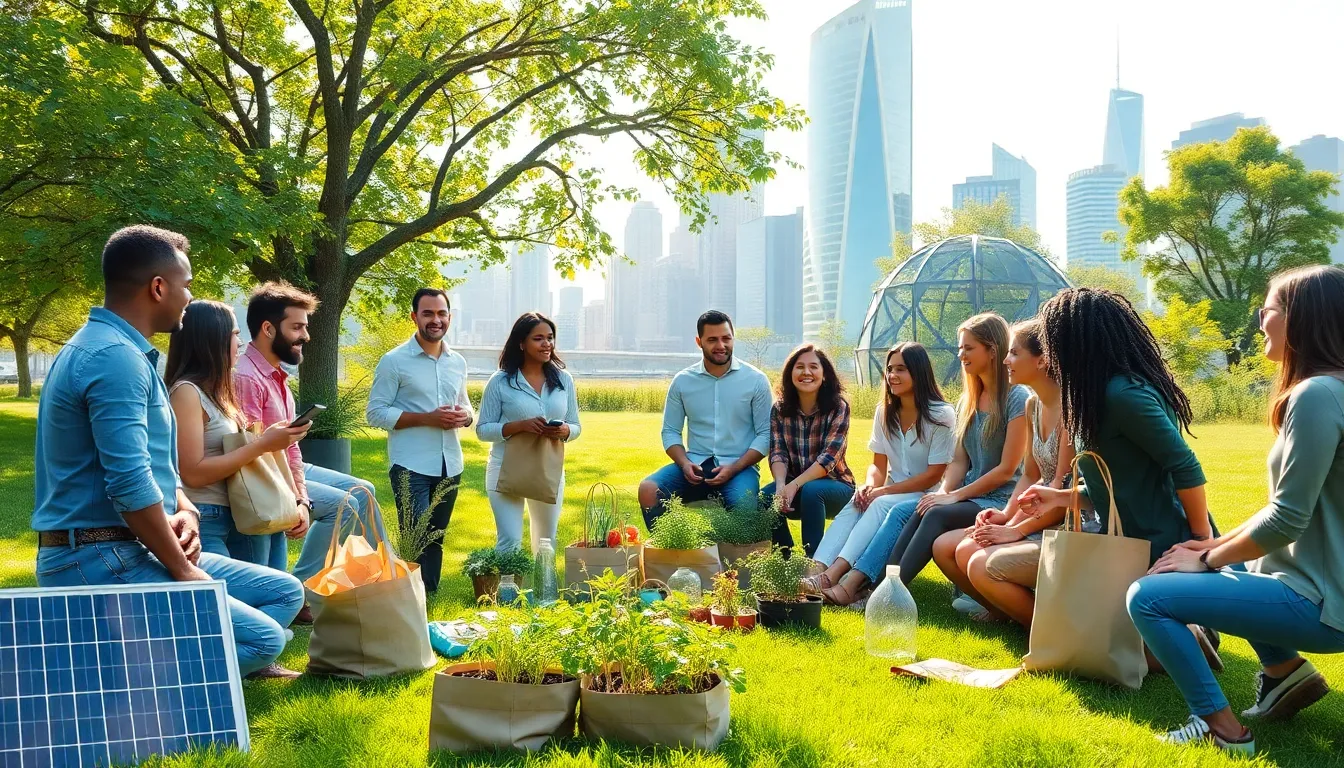
Sustainable living is about making choices that minimize environmental impact while enhancing the quality of life. It encourages a mindful approach to consumption and resource use, aiming for harmony between nature and human life. By adopting sustainable practices, individuals and communities can work towards a future where resources are not depleting at an alarming rate. This lifestyle doesn’t just focus on reducing waste: it emphasizes the importance of sustainability in everyday life.
What makes sustainable living so appealing? First, it allows for a shift in mindset. Instead of viewing sustainability as a chore or restriction, it redefines it as an exciting opportunity for innovation and creativity in how we live, shop, and interact with the world.
Benefits Of Sustainable Living
Embracing sustainable living offers a cornucopia of benefits. On a personal level, individuals may notice reduced utility bills, improved health, and a sense of fulfillment from aligning their actions with their values. Besides boosting one’s bank account, adopting a sustainable lifestyle can enhance mental well-being by promoting a connection to the community and nature.
On a broader scale, sustainable living helps mitigate climate change, protects ecosystems, and advocates for biodiversity. With every small action, individuals contribute to a larger movement that focuses on ensuring future generations inherit a planet capable of sustaining life. Besides protecting the Earth, sustainability fosters community resilience, creating stronger bonds by encouraging neighbors to collaborate and share ideas.
Practical Sustainable Living Solutions
Home Sustainability Practices
Creating a sustainable home is both an art and a science. Simple changes can significantly impact energy efficiency. Start by investing in LED lighting, energy-efficient appliances, and smart home technology that monitors energy usage. Also, consider incorporating renewable energy sources like solar panels, which can drastically reduce reliance on fossil fuels.
Another key practice is composting. This may sound daunting at first, but getting started with composting can be straightforward. Not only does it reduce landfill waste, but it also enriches soil, promoting a vibrant garden.
Transportation Options for Sustainability
Transportation options for sustainability range from walking to adopting electric vehicles. Many urban areas now have robust public transportation systems to reduce the carbon footprint. If commuting seems unavoidable, carpooling or biking can ease both your wallet and your guilt.
Electric vehicles (EVs) are increasingly prevalent and come with government incentives, making them a smart move for eco-conscious travelers. With advancements in charging infrastructure, transitioning to an EV is more convenient than ever.
Sustainable Food Choices
Food choices have a significant sustainable impact. Opt for locally sourced produce to minimize transportation emissions and support local economies. Organic farming practices promote healthier soil and less chemical runoff, benefitting ecosystems.
Also, reducing meat consumption can lower environmental degradation. Plant-based diets offer a wealth of health benefits. If a full-blown vegetarian lifestyle feels intimidating, start small by introducing ‘Meatless Mondays’ or occasional vegan meals into your repertoire.
Community Engagement and Sustainability
Sustainability isn’t a solo sport: it thrives on community cooperation. Engaging with local initiatives can amplify the impact of individual efforts. Community gardens, farmer’s markets, and local clean-up events bring people together for a common cause.
Volunteering for organizations focused on environmental education and advocacy raises awareness and inspires collective action. Also, sharing knowledge about sustainable practices can empower others to make changes in their own lives, fostering a culture of sustainability. Think of it as planting seeds of change, when nurtured, they can blossom into a thriving movement.
Challenges and Barriers to Sustainable Living
Even though the obvious benefits, various challenges and barriers stand in the way of sustainable living. For some, cost remains a primary hurdle: environmentally friendly products can be pricier upfront. But, it’s crucial to view these as long-term investments, considering the potential savings in energy and health.
Another barrier is the lack of information. Many individuals are unaware of sustainable solutions available to them or are unsure of how to carry out them in their daily lives. Education is key here: raising awareness and providing resources can help overcome these barriers. Also, local policies and infrastructure can impact the ability to live sustainably, without the right support, even the most determined individuals can struggle.