

In a world where even houseplants seem to need a personal trainer, green gardening has never been more essential. Imagine transforming your backyard into a lush paradise while giving Mother Nature a high-five. With the right tips, anyone can turn their garden into an eco-friendly haven that not only looks good but also feels good.
Green gardening isn’t just a trend; it’s a lifestyle choice that helps the planet and your wallet. From composting like a pro to choosing plants that thrive on neglect, these tips will have you gardening like a seasoned pro in no time. So grab your gloves and get ready to dig deep into the world of sustainable gardening—because who knew saving the planet could be this much fun?
Understanding Green Gardening
Green gardening focuses on sustainable practices that positively impact the environment while enhancing personal enjoyment of gardening. This approach emphasizes environmentally friendly methods to create flourishing green spaces.
Importance of Sustainable Practices
Sustainable practices play a crucial role in reducing environmental harm. They help conserve natural resources, ensuring that soil and water remain healthy. Eco-friendly gardening promotes biodiversity, supporting various plant and animal species. Utilizing organic fertilizers and pest control methods minimizes chemical runoff, which can pollute local waterways. Moreover, adopting sustainable techniques reduces waste, making gardens more efficient and productive.
Benefits of Green Gardening
Green gardening offers numerous benefits that extend beyond aesthetics. It enhances air quality by naturally filtering pollutants. Homegrown produce provides fresher, healthier food options, often with lower costs than store-bought alternatives. These gardening practices also improve mental well-being, creating a calming atmosphere. Engaging in eco-friendly gardening fosters a connection with nature, promoting mindfulness and relaxation. Overall, sustainable gardening practices yield a plethora of advantages for both individuals and the environment.
Essential Green Gardening Tips
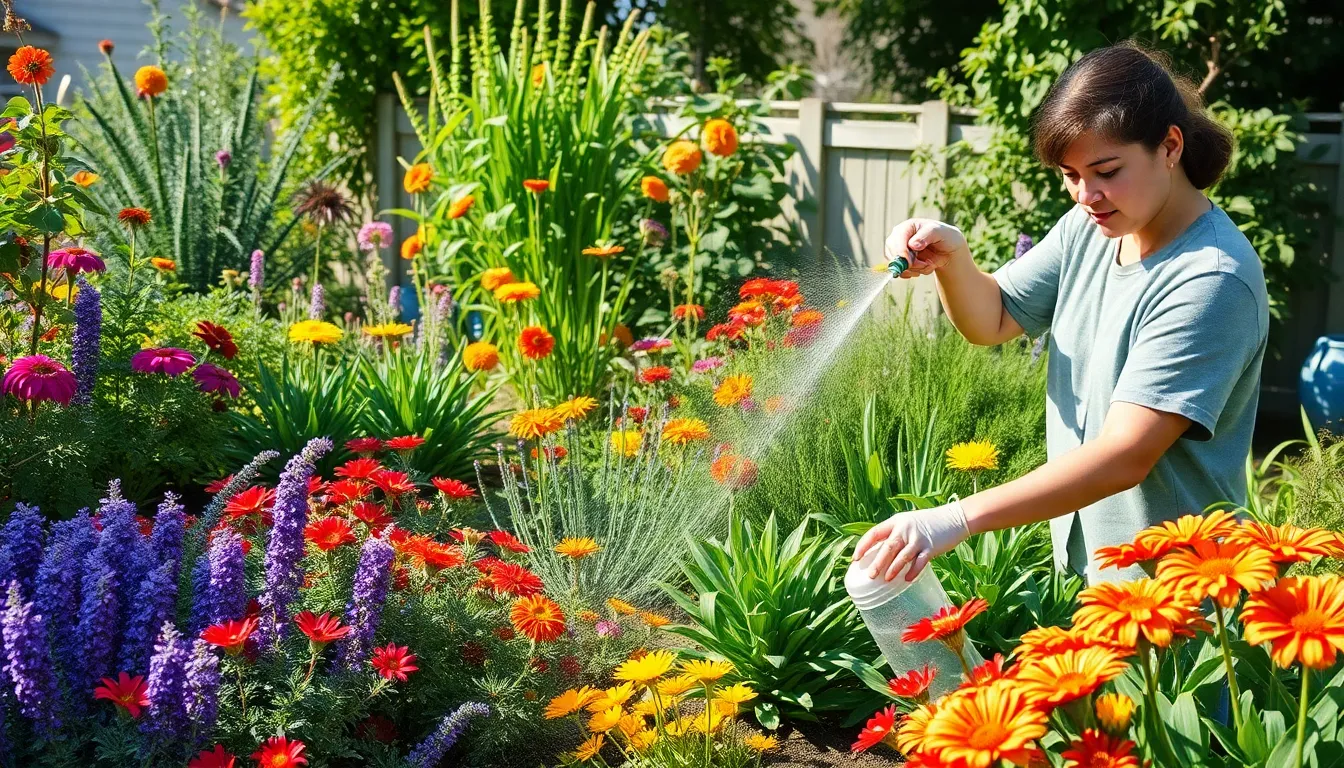
Green gardening practices create enriching environments for both people and nature. Implement these tips for a thriving eco-friendly garden.
Soil Health and Quality
Soil health directly affects plant growth and ecosystem balance. Incorporating organic matter, such as compost and mulch, enriches the soil’s nutrient content. Testing soil pH and nutrient levels ensures proper amendments for optimal plant development. Earthworms and beneficial microorganisms enhance aeration and breakdown organic materials, promoting healthy soil. Crop rotation strategies maintain soil fertility and prevent pest buildup over time.
Water Conservation Techniques
Water conservation remains vital in sustainable gardening. Utilizing drip irrigation systems delivers moisture directly to the plant roots, reducing evaporation. Rain barrels collect and store rainwater, providing an eco-friendly water source. Mulching around plants helps retain soil moisture and suppresses weed growth. Additionally, selecting drought-resistant plants minimizes water usage while maintaining a vibrant landscape.
Choosing Native Plants
Choosing native plants supports local ecosystems and reduces maintenance. Native species require less water and are more resistant to local pests and diseases. Incorporating these plants encourages pollinators, such as bees and butterflies, to thrive in gardens. Creating habitats with diverse native plants improves biodiversity and fosters a balanced ecosystem. Prioritizing planting native varieties contributes significantly to sustainable gardening practices.
Organic Gardening Practices
Organic gardening practices focus on maintaining ecological balance while promoting plant health. By integrating sustainable methods, gardeners enhance their impact on the environment.
Natural Pest Control
Natural pest control methods reduce reliance on synthetic chemicals. Introduce beneficial insects like ladybugs and lacewings, which prey on harmful pests. Using neem oil or insecticidal soap offers effective treatments against common garden pests. Crop rotation disrupts pest life cycles, minimizing infestations. Additionally, planting companion plants, such as marigolds or garlic, can deter unwanted insects and protect other plants.
Composting for Fertility
Composting for fertility enriches soil with essential nutrients. Gather kitchen scraps, yard waste, and biodegradable materials as compost ingredients. Maintain a balanced mix of green materials like grass clippings and brown materials such as dry leaves. Aerating compost promotes decomposition and accelerates nutrient availability. Regularly turning the pile speeds up the process, enriching soil quality and promoting healthier plant growth. Successful composting contributes to waste reduction while creating a thriving garden ecosystem.
Tools for Green Gardening
Utilizing the right tools enhances the experience of green gardening. Eco-friendly tools reduce waste and promote sustainable practices.
Eco-Friendly Gardening Tools
Choose tools made from sustainable materials like bamboo and recycled metals. Hand tools, such as trowels, pruners, and hoes, typically consume less energy during production. Consider investing in composting tools that aid in creating nutrient-rich soil amendments. Watering cans crafted from recycled plastic help reduce plastic waste. Additionally, mulch layers applied with garden rakes minimize weed growth while conserving moisture.
Technology in Sustainable Gardening
Embrace technology to optimize sustainable gardening practices. Solar-powered garden lights illuminate outdoor spaces while conserving energy. Smart irrigation systems monitor soil moisture, reducing water waste. Apps designed for garden planning assist in crop rotation and companion planting. Climate sensors track local weather conditions, ensuring optimal planting times. Finally, online resources provide valuable information on organic gardening techniques and natural pest control methods, helping gardeners cultivate thriving ecosystems.
Embracing green gardening practices not only nurtures the environment but also enriches personal well-being. By adopting sustainable techniques like composting and selecting native plants, gardeners can create vibrant spaces that thrive with life. These practices foster a deeper connection with nature while contributing to healthier ecosystems.
The journey toward eco-friendly gardening is rewarding and fulfilling. Each small change made in the garden leads to significant positive impacts on both the planet and individual health. As more people choose to garden sustainably, the collective effort can inspire a greener future for all.