

In a world increasingly aware of environmental challenges, choosing earth-friendly options has never been more vital. From everyday products to sustainable practices, individuals and businesses alike are seeking ways to reduce their ecological footprint. Making conscious choices not only benefits the planet but also promotes a healthier lifestyle.
Exploring earth-friendly alternatives can be both exciting and rewarding. Whether it’s opting for biodegradable materials or embracing renewable energy sources, these decisions contribute to a more sustainable future. As more people recognize the importance of protecting our planet, the demand for eco-friendly solutions continues to grow, paving the way for innovation and positive change.
Understanding Earth-Friendly Options
Earth-friendly options encompass products and practices that minimize environmental impact. These choices contribute to sustainability, promoting a healthier planet.
Definition of Earth-Friendly Options
Earth-friendly options refer to materials, products, and practices designed to reduce harm to the environment. Examples include biodegradable packaging, organic farming methods, and energy-efficient appliances. These choices support ecosystems and promote resource conservation, focusing on long-term environmental health.
Importance of Sustainable Choices
Sustainable choices play a crucial role in combating environmental issues, such as climate change and resource depletion. They help reduce greenhouse gas emissions, which contribute to global warming. Sustainable practices foster biodiversity, protect habitats, and ensure clean air and water. By opting for eco-friendly solutions, individuals and businesses contribute to a healthier environment and create a blueprint for future generations.
Types of Earth-Friendly Options
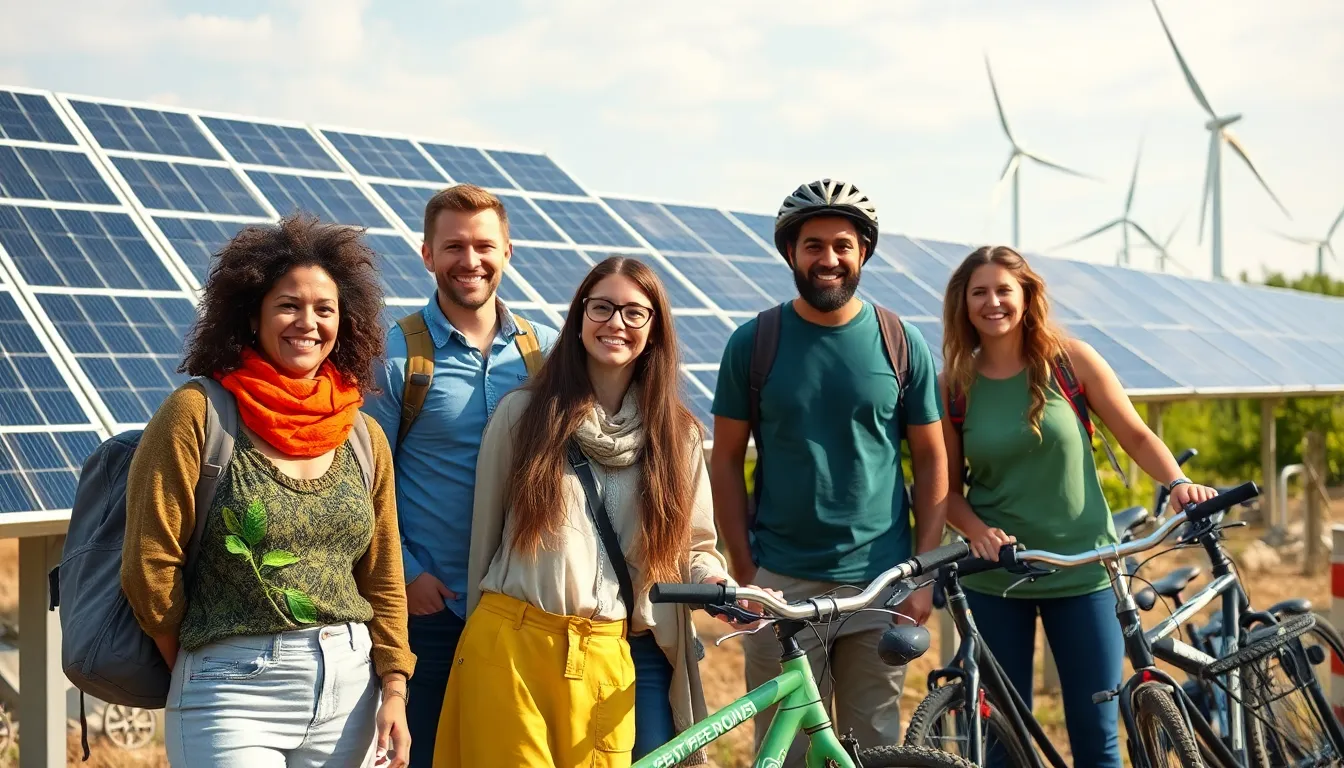
Earth-friendly options encompass a range of sustainable practices and products aimed at minimizing environmental impact. These choices enhance ecological health while supporting a healthier lifestyle.
Renewable Energy Sources
Renewable energy sources provide clean alternatives to fossil fuels. These include solar energy, derived from sunlight; wind energy, generated by turbines; and hydroelectric power, produced from flowing water. Benefits of renewable energy include reduced greenhouse gas emissions and a diminished carbon footprint. According to the International Renewable Energy Agency, renewable energy sources could account for 86% of global power demand by 2050, promoting energy independence and stability.
Eco-Friendly Transportation
Eco-friendly transportation options reduce pollution and carbon emissions. Public transport, like buses and trains, offers a collective commuting solution that lowers individual vehicle traffic. Bicycles, another sustainable mode of transport, encourage physical activity while eliminating emissions. Electric vehicles (EVs) utilize batteries charged from renewable energy sources, further decreasing reliance on fossil fuels. The U.S. Department of Energy indicates that EVs can reduce greenhouse gas emissions by over 50% compared to conventional vehicles.
Sustainable Products and Packaging
Sustainable products and packaging prioritize resource conservation and minimal waste. Biodegradable and compostable materials offer alternatives to traditional plastics, breaking down naturally in the environment. Organic products, free from harmful pesticides and synthetic fertilizers, support healthier ecosystems and reduce chemical runoff. Additionally, companies increasingly adopt reusable packaging solutions, further decreasing waste. The Sustainable Packaging Coalition reports that sustainable packaging can reduce energy use by up to 30%, significantly benefiting the environment.
Benefits of Choosing Earth-Friendly Options
Choosing earth-friendly options significantly benefits the environment, personal health, and the economy.
Environmental Impact
Earth-friendly options dramatically reduce carbon footprints. By opting for renewable energy sources, such as solar and wind power, individuals and businesses minimize reliance on fossil fuels, leading to lower greenhouse gas emissions. Sustainable practices, such as organic farming and biodegradable packaging, support ecosystem health and biodiversity. These choices also conserve critical resources, ensuring cleaner air and water for all communities.
Health Advantages
Earth-friendly options enhance personal health. Products made from natural ingredients lack harmful chemicals found in conventional items, lowering exposure to toxins. Organic foods, for example, not only nourish the body but also promote soil health. Additionally, using eco-friendly transportation reduces air pollution, resulting in better respiratory health for communities. These practices create safer environments for both individuals and families.
Economic Savings
Investing in earth-friendly options leads to long-term economic savings. Energy-efficient appliances and renewable energy installations reduce energy bills significantly. Choosing sustainable materials often comes with fewer disposal costs, as they are designed for longevity and recyclability. Moreover, growing interest in eco-friendly products stimulates innovation, creating new job opportunities in the green sector. Overall, these choices contribute to a more resilient economy.
Challenges in Adopting Earth-Friendly Options
Adopting earth-friendly options presents several challenges that hinder widespread implementation. These obstacles often relate to accessibility, availability, and cost considerations.
Accessibility and Availability
Accessibility to earth-friendly options varies by location. Urban areas typically offer more sustainable products and services than rural regions. Many consumers struggle to find eco-friendly alternatives in their local markets. In some cases, limited distribution channels prevent access to renewable energy sources and green technologies. Furthermore, some communities lack adequate infrastructure to support eco-friendly transportation options, such as bike lanes and public transit systems. Without the necessary resources and services, individuals may find it difficult to adopt sustainable practices effectively.
Cost Considerations
Cost acts as a significant barrier to adopting earth-friendly options. Eco-friendly products often carry higher price tags due to sustainable sourcing, production methods, and certifications. For example, organic food items and energy-efficient appliances typically cost more than their conventional counterparts. While long-term savings may occur through reduced energy bills and lower waste disposal fees, initial costs can deter budget-conscious consumers. Additionally, small businesses frequently face challenges when investing in sustainable practices, as the upfront costs may outweigh perceived benefits. Financial constraints lead many individuals and organizations to prioritize cheaper, less sustainable options over earth-friendly choices.
Choosing earth-friendly options is more than a trend; it’s a vital step towards a sustainable future. Each conscious decision contributes to a healthier planet and promotes well-being for individuals and communities alike. The shift towards eco-friendly practices fosters innovation and drives economic growth within the green sector.
While challenges like accessibility and cost remain, the collective effort to embrace sustainability can lead to meaningful change. By prioritizing earth-friendly alternatives, everyone plays a role in preserving the environment for future generations. With continued commitment and awareness, a more sustainable world is within reach.