

In a world increasingly focused on sustainability, green real estate is emerging as a game-changer in the property market. This innovative approach not only prioritizes eco-friendly practices but also enhances the quality of life for residents. By integrating energy-efficient designs and sustainable materials, green real estate offers a compelling alternative to traditional building methods.
Investors and homeowners alike are recognizing the long-term benefits of green properties. From reduced utility costs to increased property values, the advantages are hard to ignore. As awareness of climate change grows, so does the demand for environmentally responsible living spaces. Green real estate isn’t just a trend; it’s a vital step toward a more sustainable future.
What Is Green Real Estate?
Green real estate refers to properties designed to minimize environmental impact while maximizing energy efficiency and sustainability. It encompasses residential, commercial, and industrial spaces that incorporate eco-friendly features and practices.
Key characteristics of green real estate include:
- Energy efficiency: Use of energy-saving appliances and insulation, which reduces energy consumption and lowers utility costs.
- Sustainable materials: Construction with recyclable, renewable, or non-toxic materials that limit environmental harm.
- Water conservation: Implementation of water-efficient fixtures and systems that decrease water usage.
- Indoor environmental quality: Ensuring appropriate ventilation and air quality to enhance occupant health and comfort.
- Sustainable location: Development in areas that encourage walking, biking, and access to public transportation, reducing reliance on vehicles.
Investors and homeowners view green properties as valuable assets, often enjoying higher resale values and lower operational costs. The integration of innovative technologies and designs makes green real estate a forward-thinking choice in today’s market.
Benefits of Green Real Estate
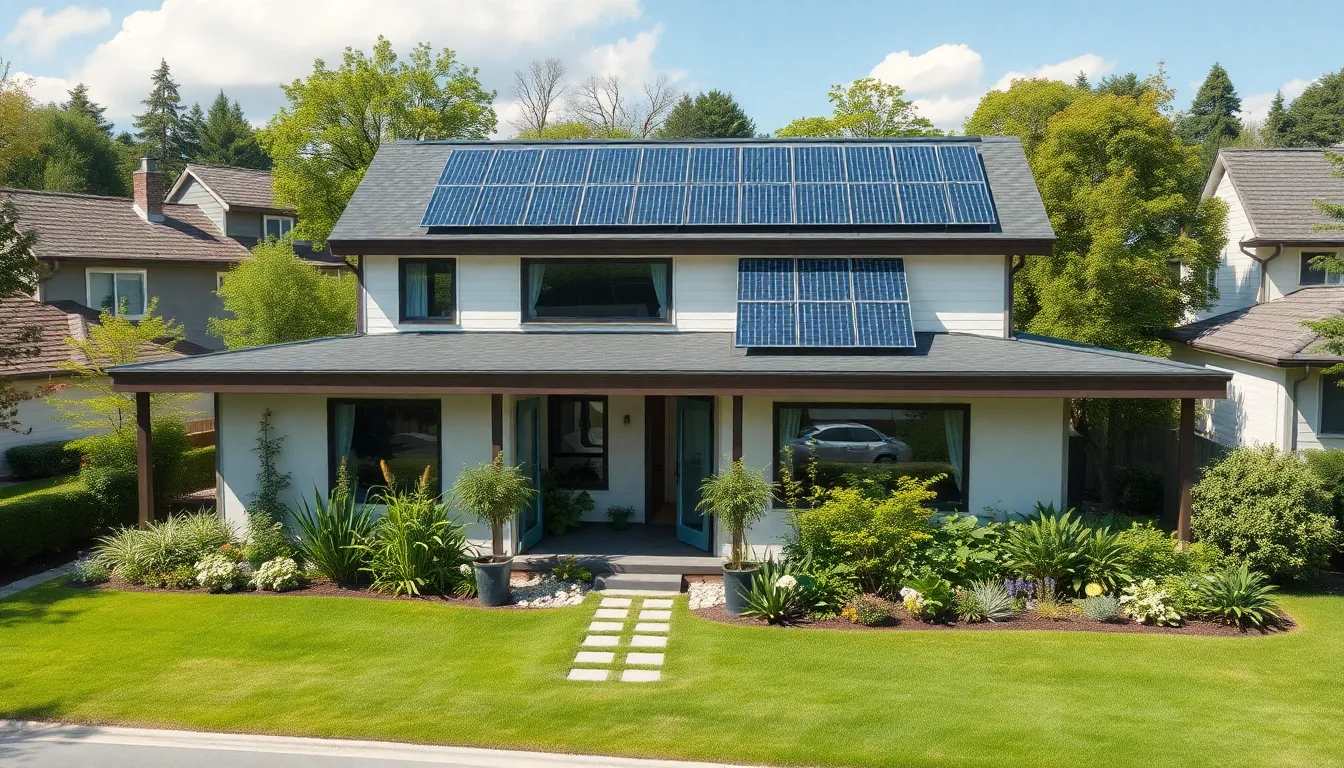
Green real estate offers multiple advantages for both the environment and the economy. Understanding these benefits can further highlight its importance in the evolving property market.
Environmental Impact
Green real estate significantly reduces negative environmental effects. Properties designed with sustainability in mind utilize energy-efficient systems and renewable energy sources. For instance, solar panels can generate clean energy, cutting reliance on fossil fuels. Additionally, these properties often incorporate rainwater harvesting systems, impacting water conservation positively. Enhanced indoor air quality occurs through the use of non-toxic materials, fostering healthier living environments. These factors collectively reduce the carbon footprint and promote ecological balance.
Economic Advantages
Investing in green real estate brings substantial economic benefits. Homeowners experience lower utility bills due to energy-efficient systems, delivering savings on monthly expenses. Properties with sustainable designs often achieve higher market values, attracting buyers willing to pay a premium for eco-friendly features. Additionally, governments frequently offer incentives, such as tax breaks and grants, to promote sustainable building practices. Increased demand for green properties drives up their desirability, ensuring a profitable investment in the long term.
Key Features of Green Real Estate
Green real estate encompasses various features designed to promote sustainability and enhance living conditions. Key characteristics include energy efficiency, sustainable materials, water conservation, improved indoor environmental quality, and thoughtful location choices.
Energy Efficiency
Energy efficiency stands at the forefront of green real estate. These properties incorporate systems such as high-efficiency HVAC units, advanced insulation, and energy-efficient windows. The integration of renewable energy sources, like solar panels, further reduces reliance on conventional energy. For instance, Energy Star-rated appliances, which use 10-50% less energy, exemplify smart choices that contribute to lower utility costs. By prioritizing energy-efficient designs, green properties enable homeowners to enjoy significant long-term savings while minimizing their carbon footprint.
Sustainable Materials
Sustainable materials play a crucial role in green real estate. These materials, sourced responsibly, include reclaimed wood, recycled metal, and low-VOC paints, which emit fewer harmful chemicals. Bamboo, known for its rapid growth, serves as a popular flooring choice due to its sustainability. Builders prioritize durable and long-lasting materials to reduce the need for frequent replacements and maintenance. By selecting eco-friendly materials, green properties not only enhance aesthetic appeal but also promote healthier indoor environments for occupants.
The Future of Green Real Estate
The future of green real estate looks promising as awareness and demand for sustainable living practices grow. Industry trends and emerging challenges shape this evolving landscape.
Trends to Watch
- Smart Home Technology: Integration of smart home systems allows for enhanced energy management, optimizing consumption and improving comfort.
- Sustainable Materials: Increased usage of bio-based and recycled materials supports eco-friendly construction, reducing the carbon footprint significantly.
- Net-Zero Homes: Properties designed to produce as much energy as they consume are gaining traction, set by advancing solar technology and energy storage solutions.
- Green Certifications: The demand for properties with certifications such as LEED, ENERGY STAR, and BREEAM is rising, as buyers prioritize recognized standards for sustainable living.
- Health and Wellness: Emphasis on indoor environmental quality promotes healthier living spaces through improved ventilation and non-toxic materials.
- Resilient Design: Solutions addressing climate change impacts, such as flood-resistant features and drought-tolerant landscaping, will increasingly become standard.
Challenges Ahead
- High Initial Costs: While energy-efficient technologies often save money in the long term, higher upfront costs can deter potential buyers and developers.
- Market Education: Lack of understanding about the benefits of green real estate may hinder widespread adoption among consumers and investors.
- Regulatory Barriers: Inconsistent regulations and lack of incentives in some regions can pose challenges to implementing green building practices.
- Supply Chain Issues: Limited availability of sustainable materials can drive up costs and delay construction timelines for eco-friendly projects.
- Maintenance of Standards: Ensuring compliance with sustainable practices over the lifespan of a property remains a significant challenge for owners and developers alike.
- Changing Consumer Preferences: Fluctuations in market demand for green features can impact property values and investment viability, requiring ongoing adaptation.
Green real estate is reshaping the property market by prioritizing sustainability and eco-friendly practices. As awareness of climate change grows, both investors and homeowners are increasingly drawn to the benefits of energy-efficient designs and sustainable materials. This shift not only enhances quality of life but also promotes healthier environments and lower utility costs.
The future of green real estate looks bright with trends pointing towards smart technology integration and a focus on wellness. While challenges like initial costs and market education persist, the demand for environmentally responsible living spaces continues to rise. Embracing green real estate isn’t just a trend; it’s a vital step toward a sustainable future that balances economic and environmental needs.