

In a world where traffic jams are as common as overpriced coffee, green transportation is the superhero we didn’t know we needed. Imagine zipping through the city in a sleek electric car, leaving behind a trail of fresh air instead of exhaust fumes. It’s not just a dream; it’s a movement gaining momentum faster than a cyclist on a downhill slope.
From electric scooters to public transit powered by renewable energy, green transportation options are popping up everywhere. They promise to save the planet while saving your wallet from those pesky gas prices. So buckle up and get ready to explore how these eco-friendly alternatives are transforming the way we travel, one green mile at a time. Who knew saving the Earth could be this much fun?
What Is Green Transportation?
Green transportation focuses on sustainable travel methods that have minimal environmental impact. This approach includes various options like electric vehicles, bicycles, and public transit relying on renewable energy.
Definition of Green Transportation
Green transportation involves using modes of transport that either reduce greenhouse gas emissions or rely on clean energy sources. Electric cars, for example, emit no tailpipe emissions, making them environmentally friendly. Bicycles provide a zero-emission alternative for short distances, reducing reliance on fossil fuels. Public transportation systems that utilize renewable energy help decrease the overall carbon footprint.
Importance of Green Transportation
Green transportation plays a vital role in combating climate change and reducing pollution levels. Urban areas benefit from decreased traffic congestion and improved air quality as more people shift to these alternatives. Cost savings emerge when individuals choose energy-efficient transit methods, such as scooters or electric buses. Communities experience enhanced public health as lower emissions lead to fewer respiratory issues. By prioritizing green transportation choices, individuals and societies contribute to a more sustainable future.
Types of Green Transportation
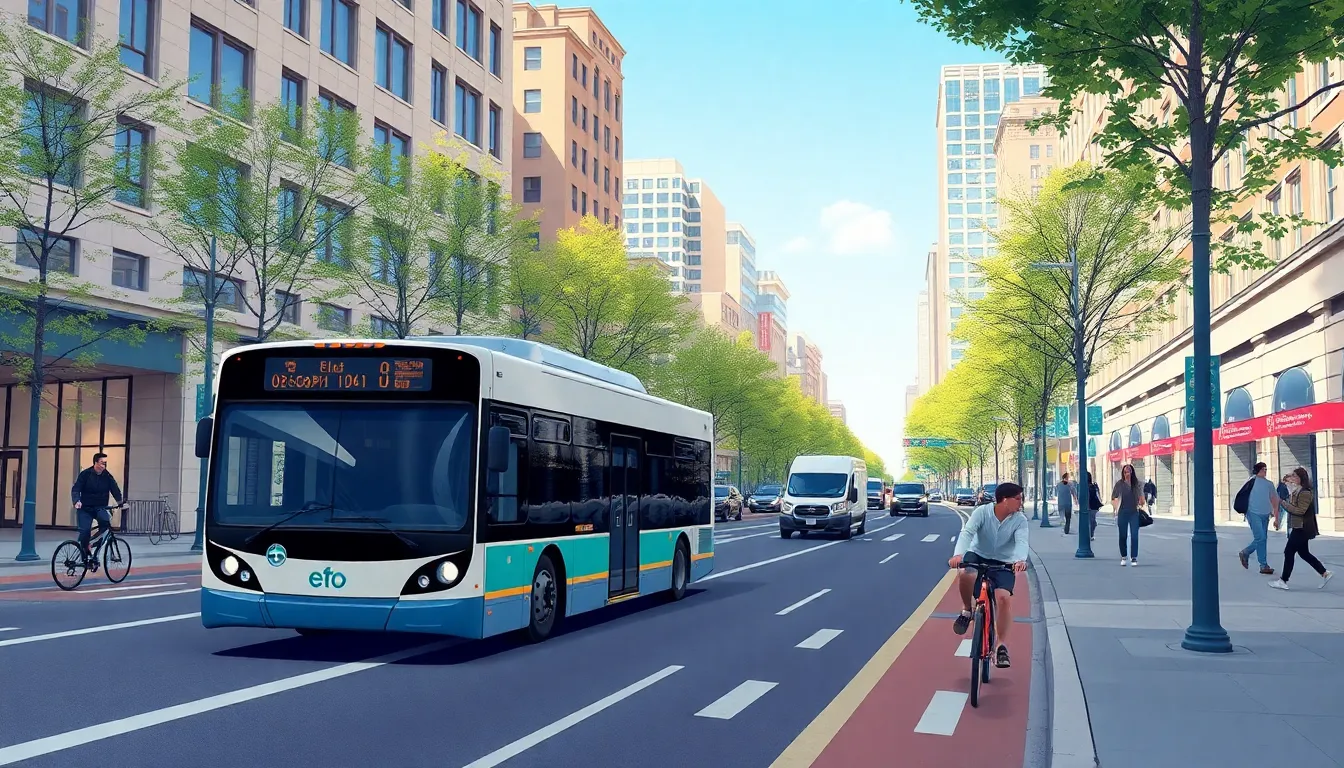
Varied options exist for green transportation, each designed to enhance sustainability and reduce environmental impact.
Public Transportation Options
Public transportation options include buses, trains, and trams that rely on renewable energy sources. These systems convey large numbers of passengers efficiently, lessening the number of single-occupancy vehicles on the road. Many urban areas invest in electric buses and light rail to decrease emissions and improve air quality. Passengers save money while enjoying reduced traffic congestion compared to personal vehicles. Furthermore, public transportation fosters community connections by enabling easier access to urban services and social activities.
Electric Vehicles
Electric vehicles (EVs) represent a significant advancement in green transportation technology. Unlike traditional cars, EVs emit no tailpipe pollutants, contributing to cleaner air. As battery technology improves, EV range and charging infrastructure expand, making them increasingly practical for everyday use. Many manufacturers now offer diverse models, meeting consumer preferences for style and functionality. Government incentives further encourage adoption through tax credits and rebates, promoting a shift toward cleaner options in the marketplace.
Bicycles and Pedestrian Solutions
Bicycles and pedestrian solutions promote active transport while minimizing carbon footprints. Cycling serves as an efficient and healthy alternative for short-distance travel, reducing reliance on fossil fuels. Cities increasingly provide bike lanes, bike-sharing programs, and secure parking to support cyclists. Walkable urban designs enhance accessibility, encouraging people to choose walking for short trips. Active transportation not only benefits the environment but also improves public health by fostering physical activity and reducing traffic injuries.
Benefits of Green Transportation
Green transportation offers significant advantages for individuals and communities. It enhances air quality while contributing to the fight against climate change.
Environmental Impact
Reducing greenhouse gas emissions plays a crucial role in green transportation. Electric vehicles produce zero tailpipe emissions. Bicycles offer an eco-friendly alternative for short trips, effectively decreasing urban pollution levels. Public transit systems powered by renewable energy significantly minimize carbon footprints. Utilizing such transport options improves urban air quality, leading to healthier living environments. Adoption of these methods supports global sustainability goals as cities strive to reduce their environmental impact.
Economic Advantages
Green transportation methods present various economic benefits. Switching to electric vehicles can lower fuel costs significantly. Public transit utilizes shared resources, decreasing individual travel expenses. This system reduces the need for costly infrastructure, such as parking spaces in urban areas. Investment in green transportation can create jobs in renewable energy and related sectors. Each of these advantages contributes to long-term savings for individuals and communities alike. Ultimately, embracing sustainable travel improves both financial stability and public health.
Challenges in Implementing Green Transportation
Several challenges impede the swift adoption of green transportation methods. Addressing these obstacles is essential for maximizing sustainable travel benefits.
Infrastructure Limitations
Infrastructure limitations hinder effective implementation of green transportation. Many cities lack the necessary charging stations for electric vehicles, which restricts their use. Public transit systems often operate on outdated or insufficient infrastructures, failing to meet the growing demand for greener travel options. Investments in renewable energy sources are necessary to enhance the efficiency of green transportation. Cities must prioritize building bike lanes and pedestrian pathways to ensure safer, accessible options for all users.
Public Perception
Public perception significantly affects the transition to green transportation. Some individuals view electric vehicles as impractical due to cost or range anxiety, despite their long-term savings. Misinformation about the reliability of public transport systems can deter potential users from adopting these alternatives. Advocating for the benefits of green transportation, such as improved air quality and reduced travel costs, is crucial. Education campaigns can reshape public views and encourage acceptance of these eco-friendly choices, making sustainable travel more appealing to wider audiences.
Embracing green transportation is essential for fostering healthier urban environments and combating climate change. By choosing eco-friendly options like electric vehicles, bicycles, and renewable energy-powered public transit, individuals can significantly reduce their carbon footprints.
This shift not only benefits the planet but also enhances personal finances and public health. As cities adapt to support these sustainable travel methods, the collective effort can lead to cleaner air and improved quality of life.
Encouraging awareness and education around green transportation will be key in overcoming challenges and reshaping perceptions. Together, these actions pave the way for a more sustainable future that balances mobility with environmental responsibility.