
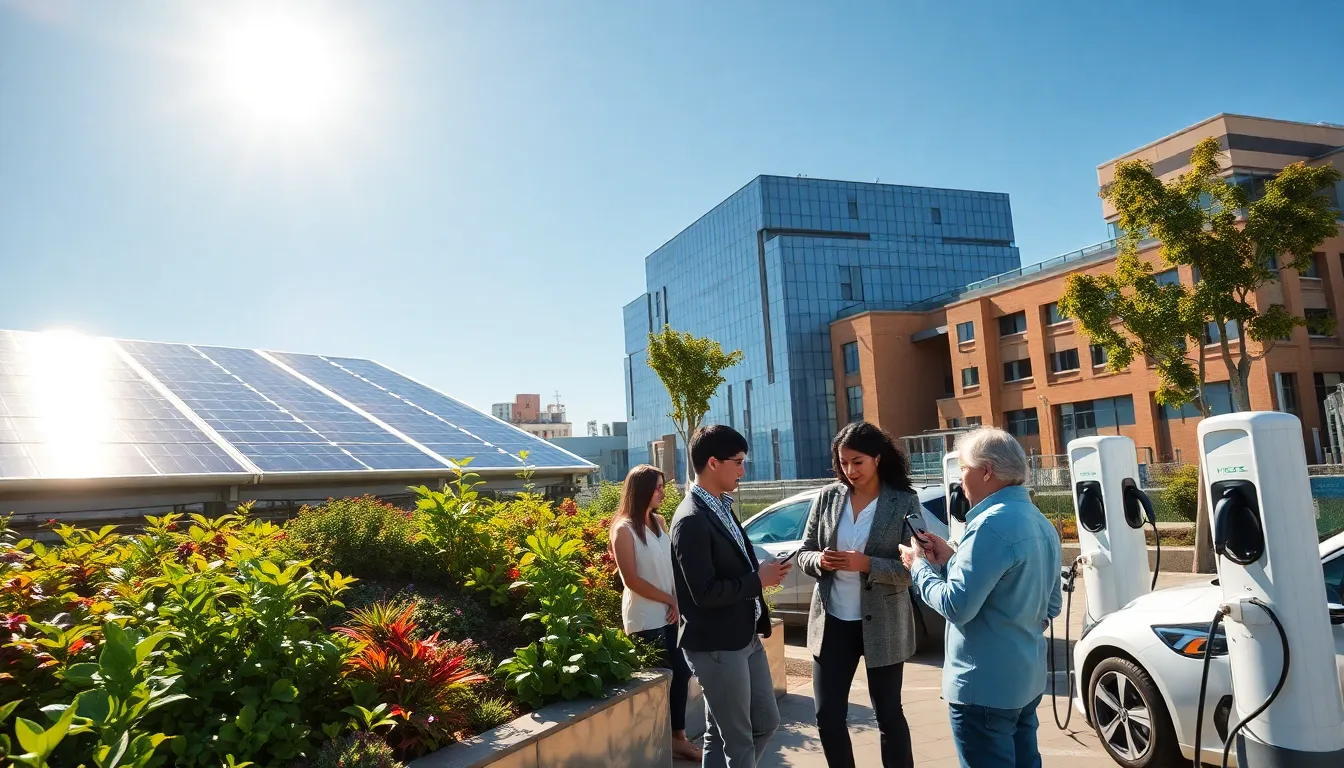
Imagine a world where the air is cleaner, the energy is renewable, and our impact on the planet is minimal, all while enjoying the conveniences of modern life. Sustainable living innovations are making that dream a reality, and they are more exciting than ever, without the need for capes or special powers. From cutting-edge technologies that harness the sun and wind to revolutionary water-saving systems that could turn your garden into a mini-eco paradise, the possibilities are limitless. Let’s investigate into these fascinating developments that not only protect our planet but also make living sustainably a breeze. Ready to change the world (or at least your neighborhood)? Let’s go.
Emerging Technologies in Sustainable Living
Renewable Energy Solutions
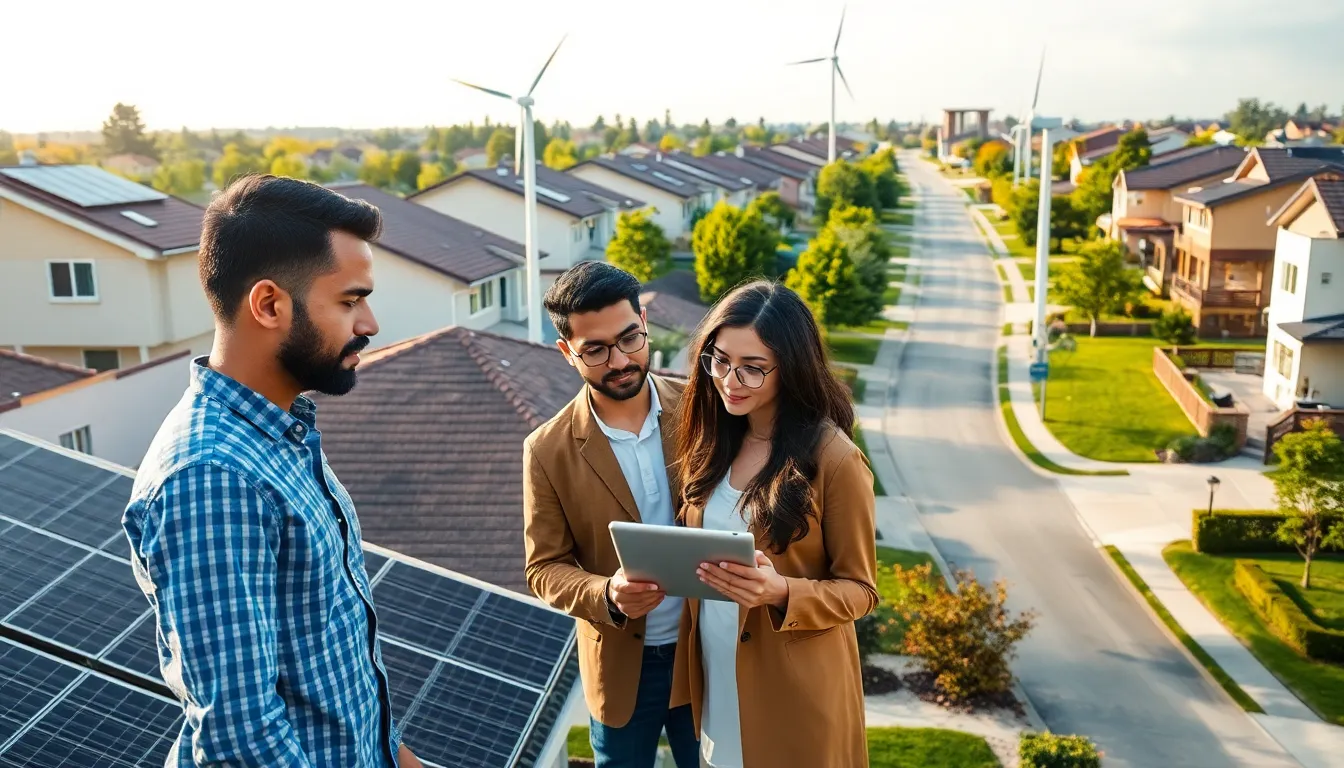
One of the most remarkable advancements in sustainable living is the rise of renewable energy solutions. Solar panels have evolved from clunky installations to sleek, efficient systems that blend seamlessly into rooftops. Imagine harnessing sunlight to power your home, reducing your carbon footprint, and watching your electricity bills dwindle. Wind turbines are also becoming more community-friendly, popping up in neighborhoods where residents collaborate to generate clean energy. With innovations such as solar shingles and portable solar chargers, sustainable energy is now more accessible than ever.
Smart Home Systems
Smart home systems are another key player in the realm of sustainable living. Home automation technology allows homeowners to optimize their energy consumption effortlessly. Smart thermostats learn your habits, adjusting temperatures for energy savings without sacrificing comfort. Lights can be programmed to turn off when nobody is home, significantly reducing unnecessary energy use. These systems not only make life easier but also empower individuals to take control of their energy consumption and embrace a more sustainable lifestyle.
Water Conservation Technologies
Eco-Friendly Agriculture Innovations
Innovative agriculture practices are leading the charge in water conservation technologies. Techniques like drip irrigation enable farmers to deliver water directly to the roots of plants, minimizing evaporation and runoff. This method not only conserves water but also optimizes nutrient delivery, resulting in healthier crops. Also, farmers are utilizing rainwater harvesting systems to collect and store rainwater for irrigation. These practices are revolutionizing agriculture while ensuring sustainability by making every drop count.
Vertical Farming
Vertical farming has emerged as a game-changer in urban environments, allowing for food production without the need for expansive land. By stacking layers of crops in controlled indoor environments, vertical farms use up to 95% less water compared to traditional methods. These farms operate in cities, reducing transportation emissions and providing fresh produce directly to local consumers. It’s like having a farmer’s market right in your neighborhood, year-round.
Permaculture Practices
Sustainable Transportation Alternatives
Sustainable transportation practices are gaining traction, significantly reducing our reliance on fossil fuels. Innovations such as carpooling apps and bike-sharing programs encourage individuals to choose greener commuting options. People are increasingly recognizing the accessibility and affordability of alternative modes of transport. Imagine biking to work with the wind in your hair and feeling fantastic about it, all while knowing you’ve left the car at home.
Electric Vehicles and Charging Infrastructure
Electric vehicles (EVs) have taken the automotive industry by storm. With advancements in battery technology, these vehicles now offer longer ranges and faster charging times. Cities are investing in charging infrastructure, making it easier for EV owners to power up while on the go. Various incentives and tax breaks further promote the adoption of electric cars, making them a smart, sustainable choice for those looking to reduce their carbon footprint.
Bike Sharing and Public Transport Improvements
Community Initiatives and Collaborations
Bike-sharing programs and collaborative public transport initiatives are reshaping how we think about getting around. Many cities are witnessing a surge in community-designed transit projects, promoting sustainable options that suit local needs. Residents collaborate to create better public transport routes and more efficient systems, leading to reduced traffic congestion and pollution. Individual efforts, when merged with community action, lead to significant enhancements in urban mobility.
Zero-Waste Programs and Education
Zero-waste programs are sweeping across communities, educating residents on sustainable practices that reduce waste and foster recycling. From composting initiatives to workshops on sustainable living, individuals are becoming empowered to make informed choices. These programs demonstrate that each small act can lead to monumental change, inspiring a collective movement toward a more sustainable future.