

For coin collectors and history buffs alike, silver quarters are like the unicorns of the numismatic world—rare, magical, and a little bit elusive. But when did the U.S. Mint decide to swap out those shiny silver beauties for a more mundane blend of copper and nickel? It’s a question that sparks curiosity and maybe a bit of nostalgia for those who remember the days when pocket change felt like treasure.
Overview of Silver Quarters
Silver quarters were once a staple of U.S. currency, capturing the interest of collectors and historians alike. The U.S. Mint produced these coins from 1932 to 1964, making them a significant part of American numismatic history. Initially, these quarters contained 90% silver and 10% copper, offering tangible value through their metal content.
In 1965, the Mint stopped producing silver quarters in favor of a clad composition of copper and nickel. This shift aimed to reduce costs during a time of rising silver prices. Standard circulation quarters transitioned fully to the new metal blend, impacting collectors and everyday users.
The 1964 silver quarters remain highly sought after. Some collectors view them as relics of a bygone era, while others appreciate their intrinsic value. Silver quarters have become increasingly rare, creating nostalgia for those who remember them.
Production of special commemorative editions occasionally brings silver back into the mix, yet these are limited releases rather than standard circulation coins. In this context, silver quarters evoke a sense of history and monetary significance that continues to intrigue enthusiasts.
Historical Background
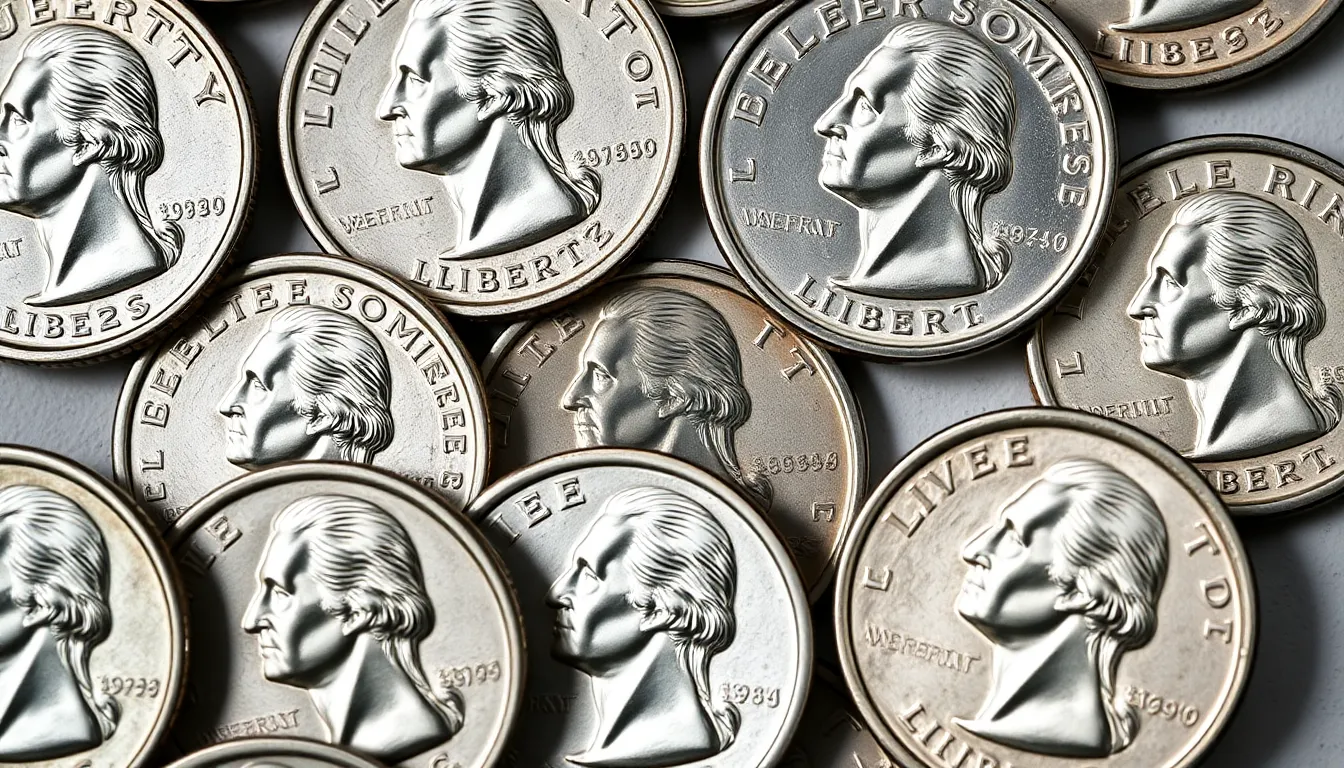
Silver quarters represent a significant chapter in American numismatic history. Their introduction and eventual discontinuation mark important shifts in currency production and value perception.
The Introduction of Silver Quarters
The U.S. Mint first issued silver quarters in 1796, initially minted with a similar design to the existing coins of that time. However, it wasn’t until 1932 that the now-iconic Washington quarter was introduced, featuring George Washington’s portrait. During this period, silver quarters contained 90% silver, making them valuable both as currency and for their metal content. The 1932 release aimed to commemorate Washington’s 200th birthday. Rapid demand led to an extended production run that continued until 1964.
Key Dates in Silver Quarter Production
Crucial dates throughout production highlight the significance of silver quarters. The years 1932 to 1964 represent the primary era of silver quarter availability, with 1964 being the last year of their production. In 1965, the U.S. Mint transitioned to a clad composition of copper and nickel to address rising silver prices. This strategic shift fundamentally altered the coin’s market value and collector appeal. Notably, 1964 quarters became rare treasures for collectors. Special commemorative editions featuring silver may emerge, but these are limited releases and cannot compare to the historical significance of the standard productions.
When Did They Stop Making Silver Quarters
The U.S. Mint stopped producing silver quarters in 1965. This marked a significant change in American coinage.
Transition to Clad Quarters
Clad quarters were introduced after 1964 to replace silver quarters. The new composition included a core of pure copper, sandwiched between two layers of cupronickel. This transition aimed to ensure a steady supply of coins while reducing production costs. Collectors often regard the 1964 silver quarters as unique, given that they signal the end of an era. The distinct physical change meant that coins from 1965 onward felt different to the touch and lacked the intrinsic appeal of their silver predecessors.
Reasons for Halting Silver Production
A primary reason for stopping silver production involved rising silver prices. Increasing costs made it less practical for the Mint to continue producing silver coins. Economic factors influenced policymakers, prompting the decision to shift to clad compositions. Public demand for more economical coinage also played a significant role. Additionally, the 1964 coins’ rising collectible value reflected the public’s nostalgia, making the transition even more pronounced.
Impact on Collectors and Investors
The transition away from silver quarters significantly impacted both collectors and investors in the numismatic market. The market value for silver quarters surged after 1965 due to their limited availability. Collectors often prioritize 1964 quarters because of their high silver content, making them valuable for both intrinsic and historical reasons. Current silver prices frequently influence the worth of these quarters. Consequently, many investors view these coins as more than just currency; they represent a financial asset.
Collectors often show less enthusiasm for non-silver quarters produced after 1965. Various factors contribute to this sentiment, including the lower intrinsic value of clad quarters. While some collectors focus on acquiring complete sets, many consider non-silver quarters less desirable. These coins lack the same historical allure that draws serious numismatists to silver versions. Although some find joy in collecting all coin types, overall demand for copper-nickel coins remains subdued compared to their silver counterparts.
The end of silver quarter production in 1965 marked a pivotal moment in American coinage history. This transition not only changed the composition of U.S. currency but also left a lasting impact on collectors and investors alike. The nostalgia surrounding silver quarters continues to fuel interest in the 1964 coins, which are now considered rare treasures.
As the numismatic landscape evolves, the allure of silver quarters remains strong, captivating those who appreciate their historical significance and intrinsic value. While clad coins serve their purpose in everyday transactions, they simply can’t replicate the charm and appeal of their silver predecessors. The legacy of silver quarters is likely to endure, drawing enthusiasts who seek to connect with a piece of America’s rich monetary heritage.